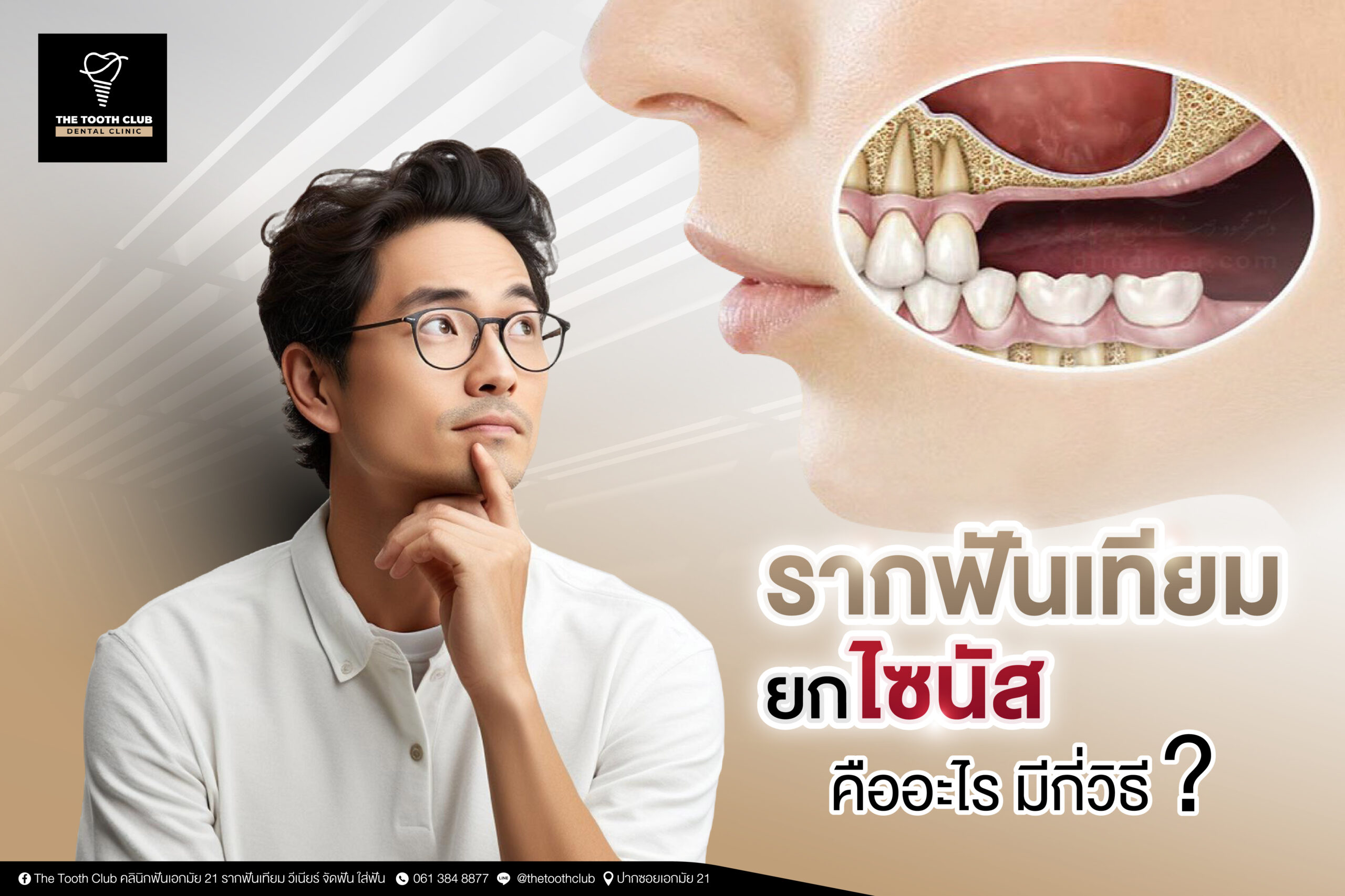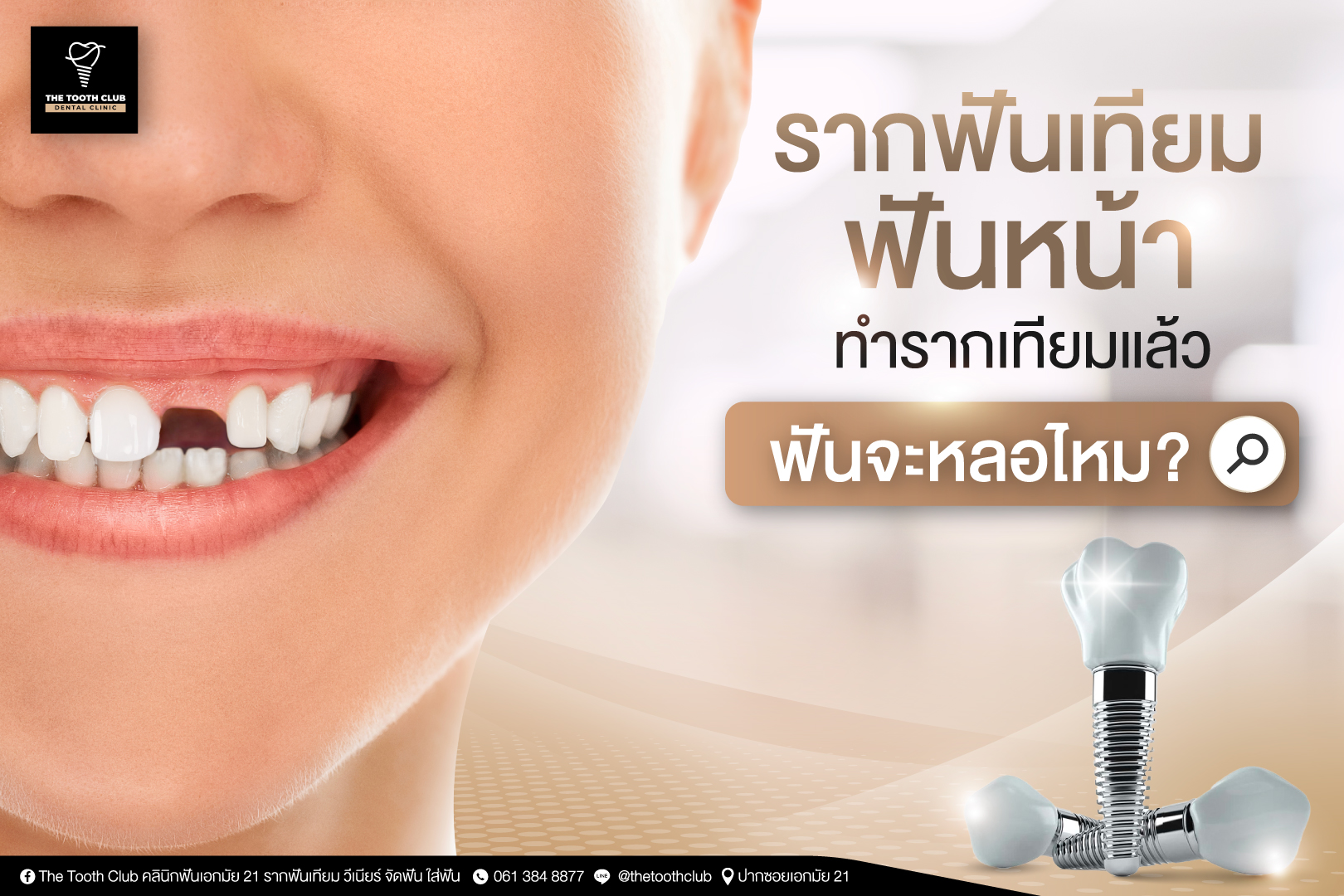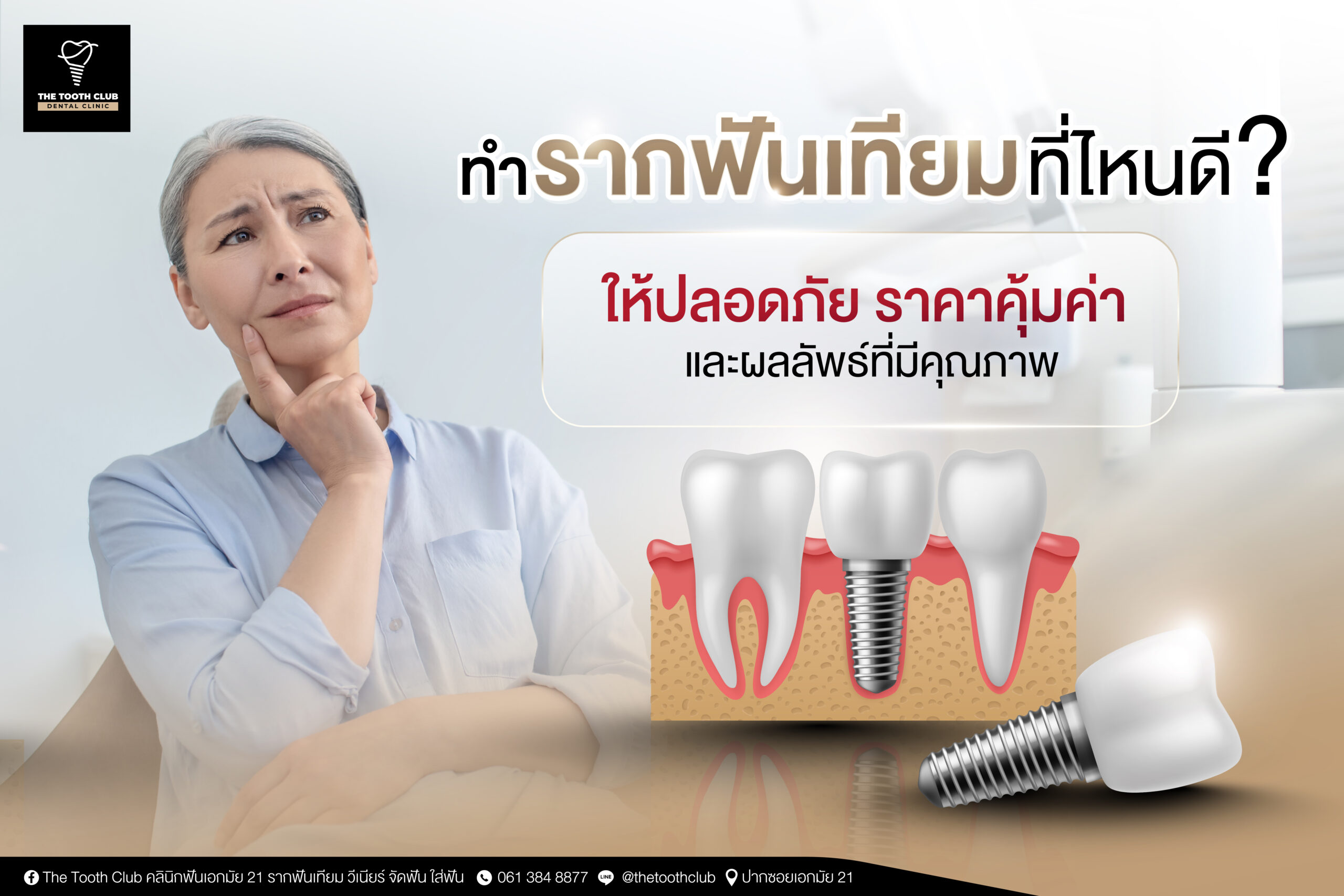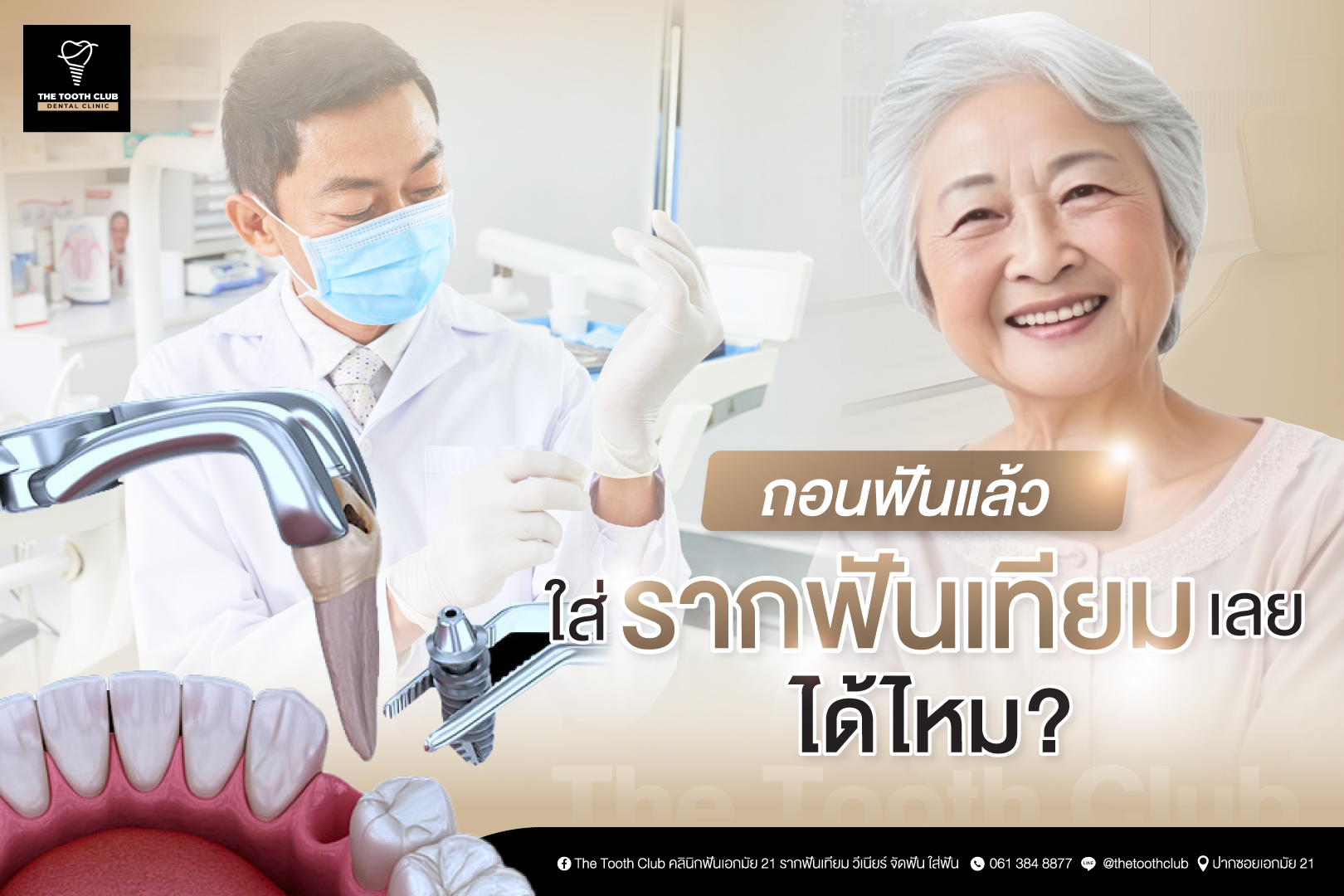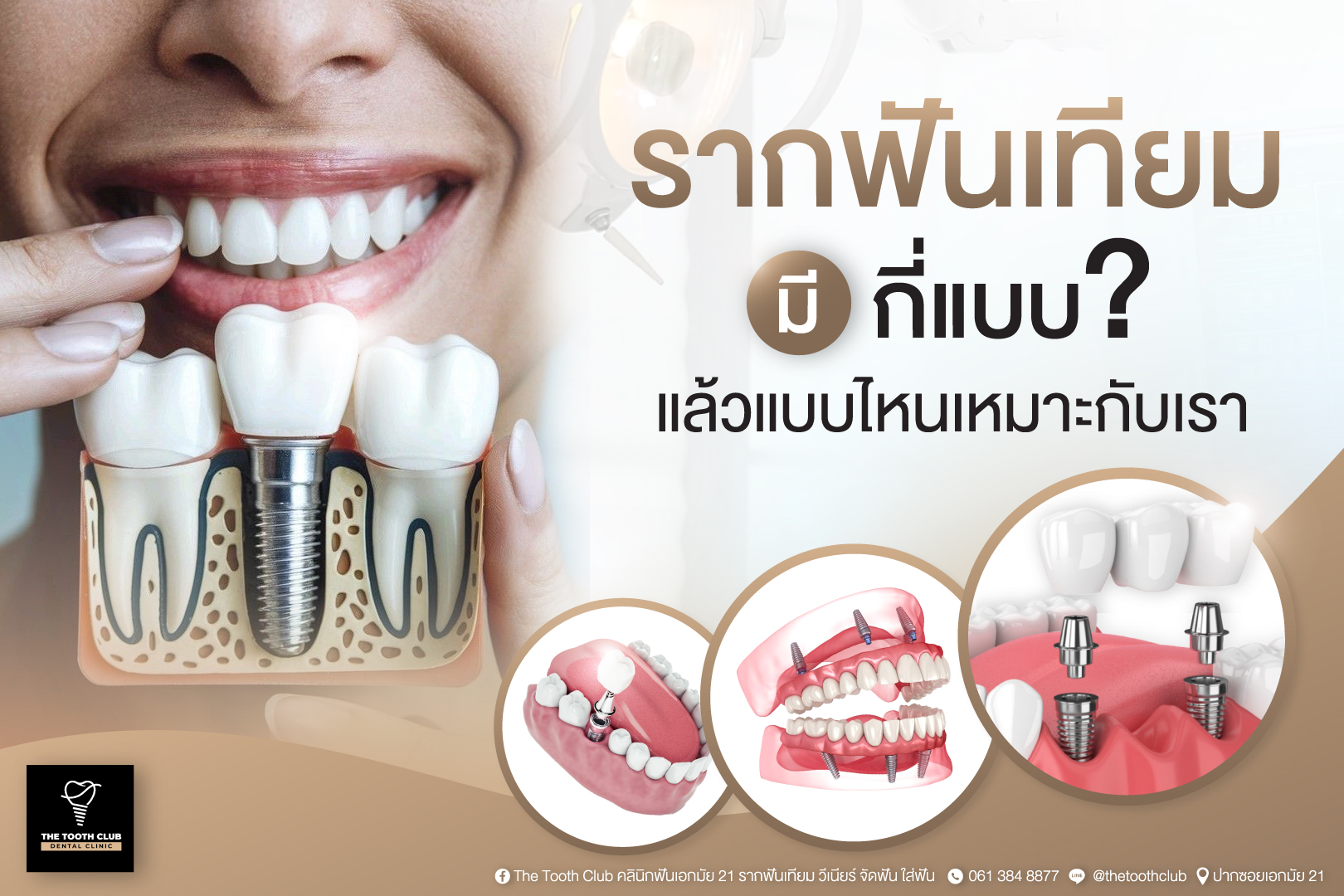
Dental implant treatment (dental implants) is an increasingly popular way to replace missing teeth, helping people who have lost teeth get as close as possible to the function of natural teeth. Implants don’t just restore your ability to chew, they also improve your appearance and self-confidence. So how many types of dental implants are there?
If you’ve been wondering how many types of dental implants there are, today we’ll introduce the main types of implants used in treatment.
1. Single Tooth Implant
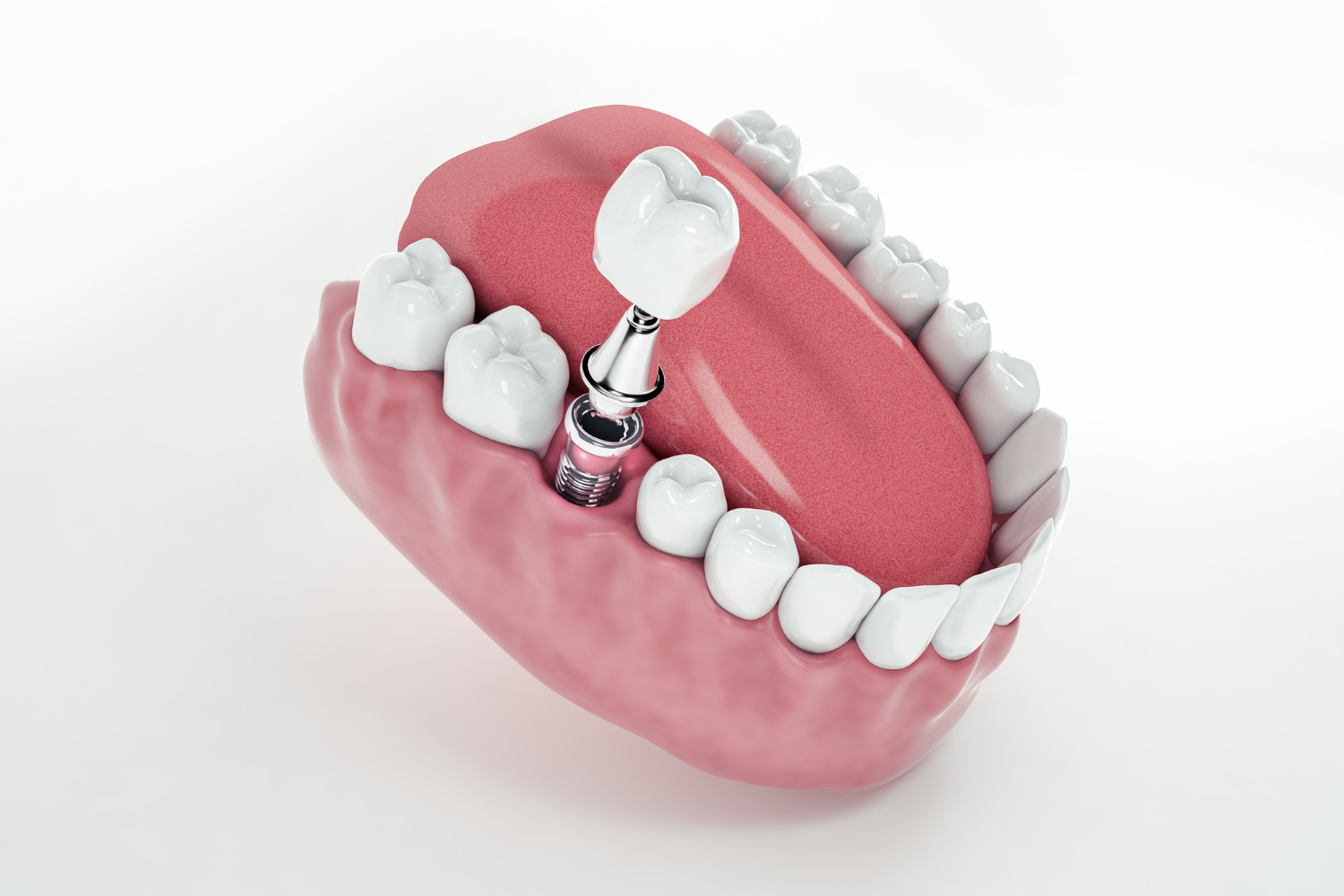
A single tooth implant (dental implant) suits people missing just one tooth, or with a broken or badly decayed tooth that can’t be saved, who want a durable, natural-looking replacement without grinding down neighbouring teeth for a bridge.
It suits people who
- are missing only one tooth: Ideal, as the result looks natural and doesn’t affect the neighbouring teeth.
- Have healthy teeth and gums: If the gums and jawbone are strong, the implant can be placed easily.
- Don’t want a bridge or denture: A bridge requires grinding down the neighbouring teeth to support it.
- Look after their teeth: Good oral care is essential after an implant is placed.
- Have no medical conditions that affect implants: such as uncontrolled diabetes or other medical issues that could cause treatment to fail.
If you’re missing just one tooth and are in good health, a dental implant is an excellent option that gives results closest to a natural tooth.
2. Multiple Tooth Implants
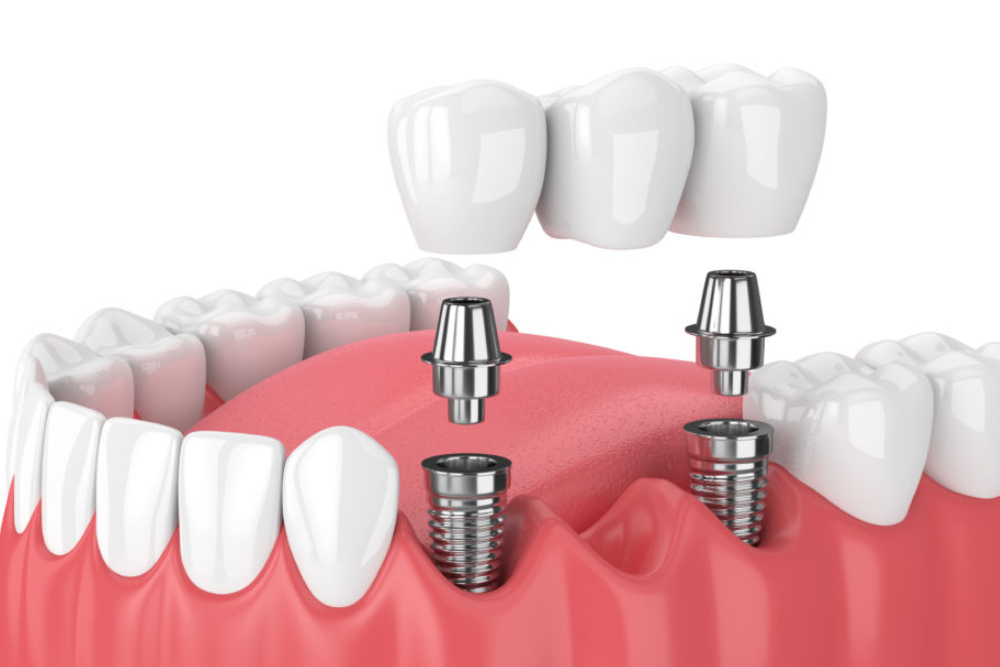
Multiple implants suit people missing several teeth, or with several teeth too damaged to be saved, who still want a durable replacement that looks as good as natural teeth.
It suits people whoIt suits people who:
- Are missing several teeth in the same area: If several teeth are missing in one area (such as the upper or lower molars), multiple implants are a good option, replacing the missing teeth fully with high durability.
- Are missing teeth used for chewing: Where strength and function matter, multiple implants improve chewing efficiency more than a bridge or denture.
- Want comfort and a natural look: Multiple implants look natural and need less care than removable dentures.
- Have healthy gums and jawbone: Multiple implants need healthy gums and enough bone, as the implants are placed in the jawbone. If the bone isn’t strong enough, a bone graft may be needed first.
- Don’t want removable dentures: Dentures can be inconvenient or affect confidence. Multiple implants offer more comfort and confidence.
The advantage of multiple implants is that they replace several missing teeth effectively without relying on removable dentures.
3. Full-Mouth Implants (All-on-4 / All-on-6)
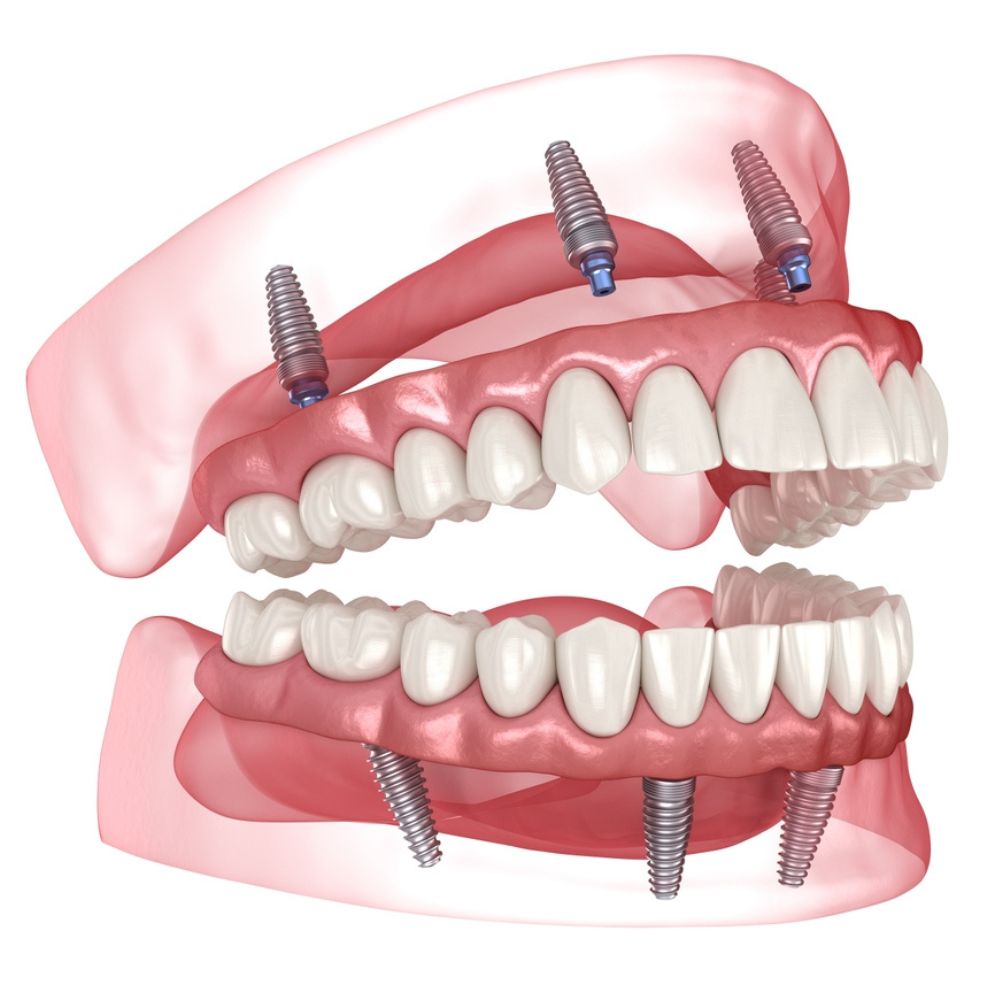
Full-mouth implants involve placing implants to replace all the missing teeth in the mouth. They are usually used when a patient has lost all their teeth in the upper and/or lower jaw, or has teeth that can’t be saved and need to be replaced entirely with implants.
Full-mouth treatment usually involves placing several implants (around 4–6 per jaw) to support a full arch of fixed teeth, in the form of a bridge or permanent denture. This is different from the removable dentures many people have used before.
It suits :
- People who have lost all their teeth: For people missing all their teeth, or whose remaining teeth can’t be saved or used (such as severely decayed, loose, or dead teeth), full-mouth implants are a good option, giving teeth that look natural and work like real teeth.
- People with severe tooth and gum problems: If the teeth can’t be saved but the gums and jawbone are still strong enough to support implants, full-mouth implants are a suitable option.
- People who don’t want removable dentures: Removable dentures can feel inconvenient and affect confidence, while full-mouth implants feel like natural teeth and never need to be removed.
- People with healthy gums and jawbone: Implants need reasonably strong bone. If the jawbone is weak, a bone graft may be needed before the implants are placed.
- People with long-standing dental problems: For people whose teeth are wearing down, who need several extractions, or who find dentures uncomfortable, full-mouth implants are an option.
- People who want a permanent, comfortable result: Full-mouth implants give a permanent result that works like natural teeth, with no need to take them out and put them back in every day.
Full-mouth implants suit people who want to replace all their teeth with a durable, natural-looking result, and who are looking for a major improvement in their oral health and confidence.
We recommend consulting a dentist or implant specialist to assess your teeth and jawbone, so you receive the right advice and the best treatment.
The Tooth Club is a comprehensive dental centre with a team of highly skilled dentists and over 15 years of experience. We specialise in dental implants for front teeth, molars, and upper molars next to the sinus, as well as all types of bone grafting, so even significant bone loss can be rebuilt with expertise. We use modern technology and equipment that meet international standards for cleanliness and safety, at prices accessible to everyone.