
Pediatric Dentistry
Dental care plays a vital role in your child’s development. Although baby teeth may seem less important than permanent teeth, poor care can still lead to oral health problems.
Of course, children don’t yet know how to look after their teeth properly, so it’s up to parents to build good oral care habits from an early age. Healthy teeth support your child’s overall health. That’s why parents shouldn’t overlook their child’s oral health, and should take them to the dentist regularly at the ages your dentist recommends.
What Is Pediatric Dentistry and What Does It Involve?
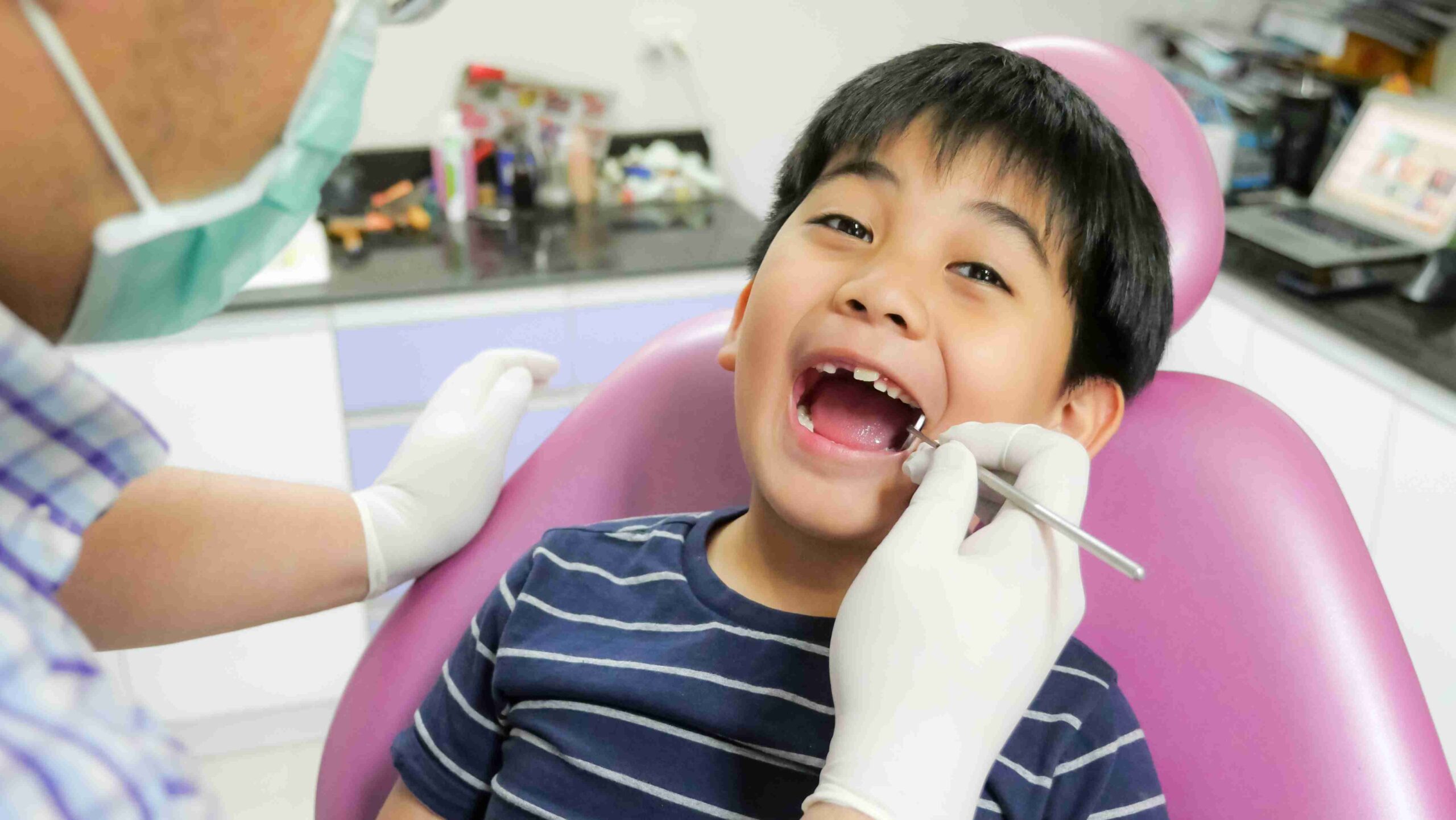
Pediatric dentistry (pedodontics) is a dental specialty for children up to early adolescence. It covers treatment, prevention, and advice on oral and dental health. Pediatric dentists use child psychology and communication techniques to help children develop good habits and a positive attitude towards caring for their own teeth.
When problems such as tooth decay, swollen gums, or crooked teeth are detected early, the dentist can treat them in ways that reduce pain and help avoid higher costs in the future. Our pediatric dental services include:
- Dental check-ups and advice – The dentist monitors tooth development at each age, the growth of the jaw alongside the teeth, and checks for decay or crooked teeth. We also look after baby teeth that are about to fall out and permanent teeth that should be coming in, laying the foundation for good oral care.
- Fluoride treatment and fissure sealants – Fluoride strengthens the teeth and helps inhibit the bacteria that cause tooth decay. Fissure sealants are usually applied to the molars, which have deep grooves that are hard to clean, reducing the build-up of trapped food.
- Scaling – Scaling is a way of cleaning the teeth that helps reduce tooth decay, gum disease, and bad breath by removing tartar from between the teeth.
- Fillings – Without consistent oral care, children can develop cavities. The dentist fills decayed baby teeth to restore them so they’re strong and work normally again.
- Tooth extraction – Extraction is a last resort in children’s dental care. Dentists usually only recommend it in serious cases where the tooth can’t be saved, such as decay that has reached the pulp, or when a permanent tooth is coming in while the baby tooth hasn’t fallen out yet. This helps prevent further problems later on.
- Dental crowns – If a child’s tooth is cracked, broken, or chipped, the dentist can cover the entire tooth with a crown instead of extracting the baby tooth, so it can work normally again. When the baby tooth falls out naturally, the crown comes out with it.
- Root canal treatment (pulp therapy) – For decay that has reached the pulp, the dentist removes the inflamed tissue, cleans the tooth, and fills it to preserve the baby tooth until the permanent tooth comes through.
- Orthodontic treatment – For children with crooked, tilted, crowded, protruding, or gapped teeth, which can affect proper tooth alignment and cause difficulties in daily life.
ผลงานการทำรากฟันเทียมจากผู้รับบริการจริง
ผลลัพธ์การรักษาขึ้นอยู่กับแต่ละบุคคล
Experienced Dentists
Quality Materials
Convenient Location in Ekkamai 21
How Is Pediatric Dentistry Different from Adult Dentistry?
Baby teeth have a different structure from adult permanent teeth, which makes them more prone to decay. Pediatric dentistry therefore focuses on prevention and on encouraging children to keep their mouths clean regularly. Children often find it hard to cooperate during treatment, so it’s important to see a dentist who is experienced in working with children. Using child psychology, the dentist talks with and gently encourages the child to follow instructions without feeling forced, avoiding any negative experiences that could make them anxious about future dental visits.
Contact Us for More Information
At What Age Should Children First See a Dentist?
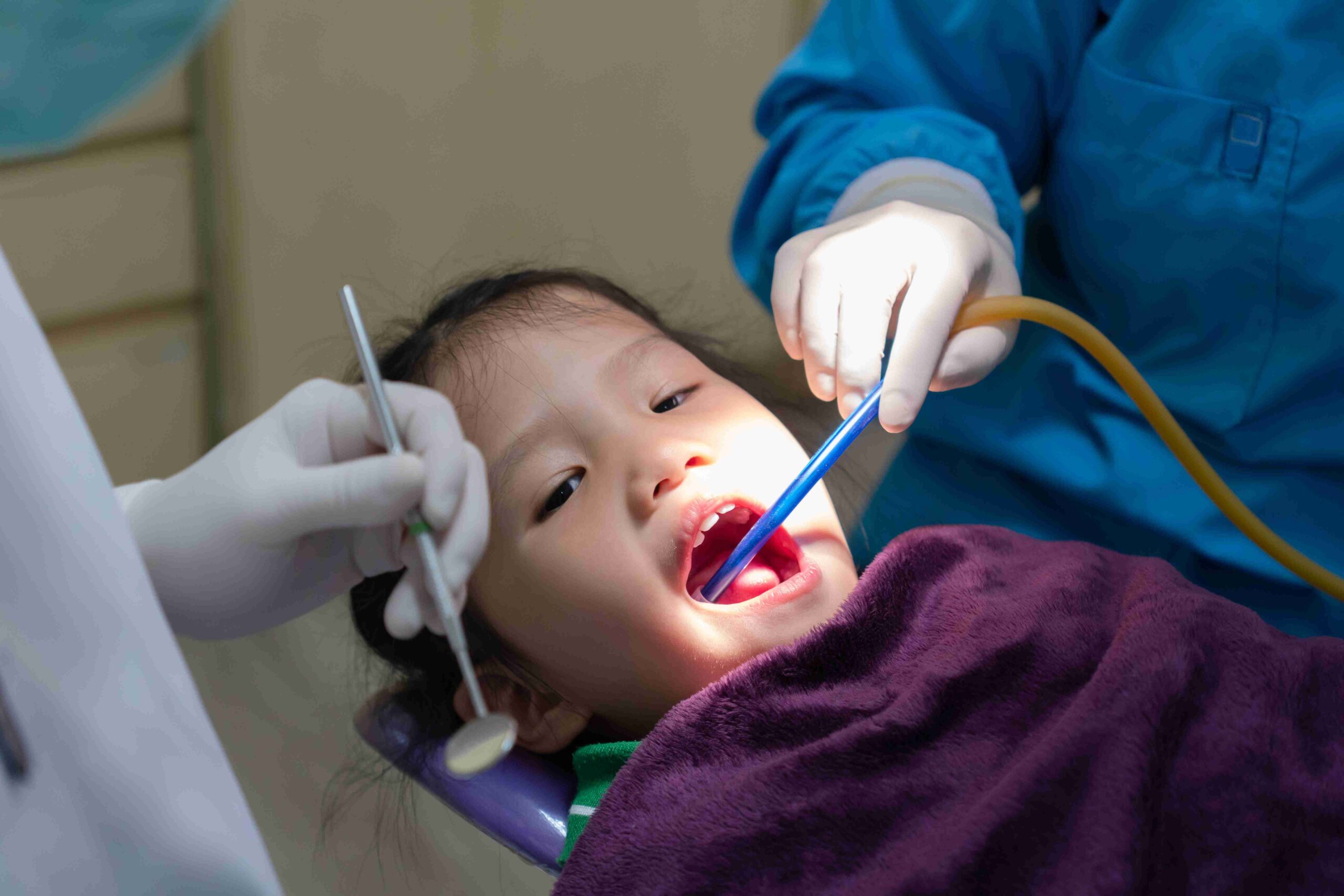
Parents can bring their child to the dentist as soon as the first baby tooth appears, which usually happens before their first birthday. At this stage, dentists mainly focus on preventing tooth decay, as children often love sweets and sugary snacks or drink milk before bed, all of which can easily lead to cavities if teeth aren’t well cared for.
Bringing your child to the dentist from an early age helps build good habits, such as learning to brush properly, caring for their mouth, and avoiding certain foods to prevent decay. It also helps reduce fear and anxiety about dental visits as they grow up.
How to Prepare Your Child for a Dental Check-Up
- Avoid giving your child food for at least 2 hours beforehand, to prevent nausea or vomiting during treatment.
- Some parents find it helpful to talk with their child to ease their worries, or read stories that create a positive attitude towards visiting the dentist.
- Avoid using the dentist as a threat, as this will only make your child less cooperative.
- Don’t tell your child they’re going somewhere fun instead. This creates false expectations, and your child may lose trust and not want to come to future appointments.
- Encourage good brushing habits from an early age.
What If Your Child Has Had a Bad Dental Experience Before?
Bad experiences usually stem from fear, so parents play a big role in changing a child’s attitude towards the dentist. Be honest that you’re going to see the dentist, offer encouragement during the check-up, read books or cartoons about caring for teeth together, keep up regular dental visits, and praise your child when they brush their teeth by themselves. All of these help reduce your child’s anxiety and fear.

Frequently Asked Questions
What will the dentist check at my child's first visit?
The dentist will usually check your child’s oral health, the eruption of baby teeth, and tooth alignment. They’ll also show parents how to brush their child’s teeth properly and advise on foods to avoid to prevent decay.
How often should my child see the dentist?
Every 6 months, for a dental check-up and fluoride treatment to prevent decay, and to closely monitor how the teeth are coming in.
Enquiries
At The Tooth Club, our experienced dental team has specialist knowledge across each field of dentistry. We use modern tools and technology, with sterilisation systems that maintain hygiene throughout treatment to international standards. Every patient can be confident that treatment at our clinic is safe and precisely planned, with close, family-like care.