Retainers
How Many Types of Retainers Are There, Why Do You Need One, and Which Is Right for You?
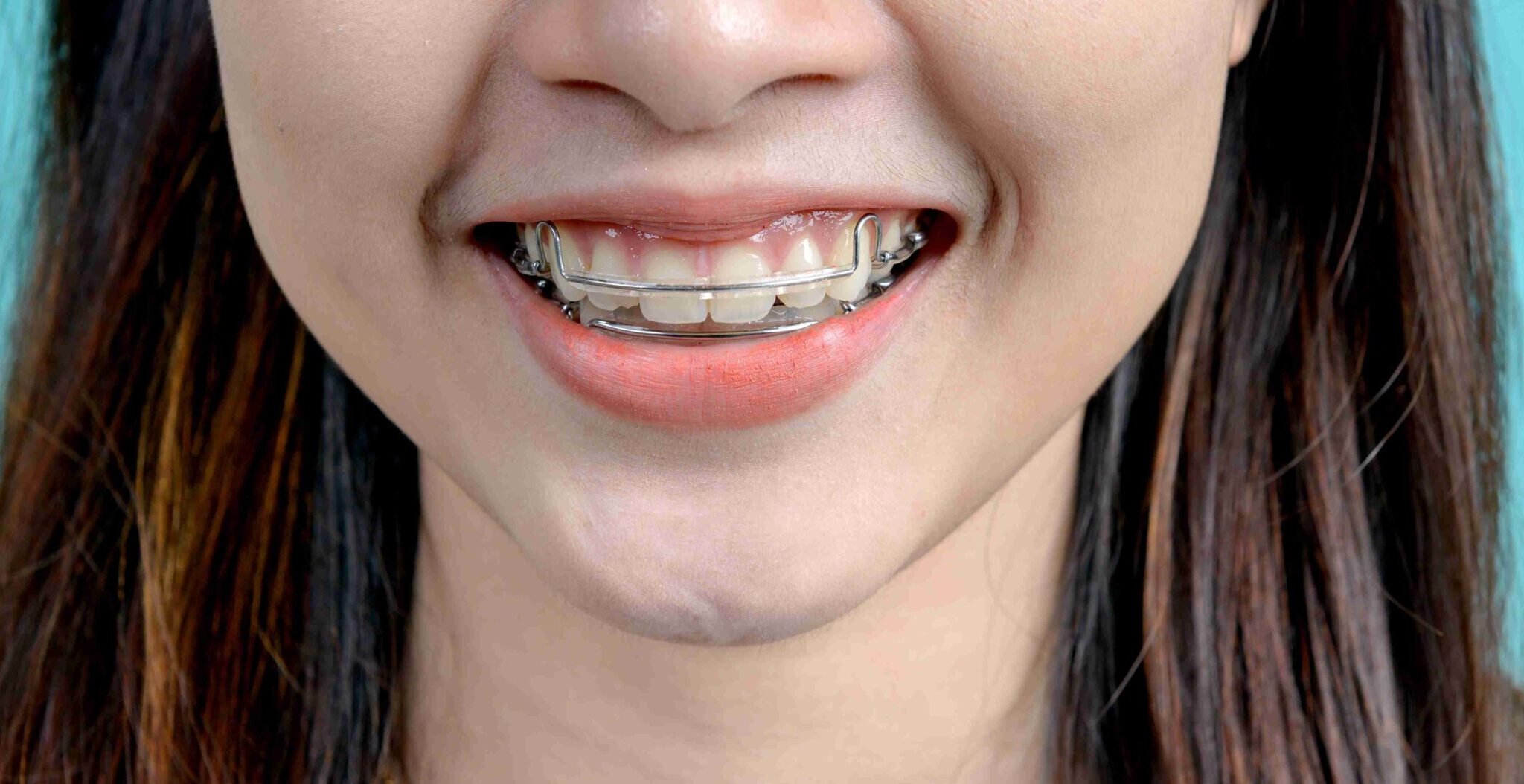
A retaineris an appliance that everyone who has had braces needs to wear once their braces come off. Let’s find out why you need one and how to choose the type that suits you best.
After a long orthodontic journey, your teeth are finally straight and you’re ready to show off your smile with confidence. But did you know that treatment doesn’t end there? There’s one more important step: wearing a retainer. Many people overlook or skip this step, thinking treatment is over once the braces come off. That’s why we’d like to explain what retainers are and why they matter.
Types of Retainers
The right retainer depends on several factors, such as the severity of your dental problem, your habits, and your own comfort, so consulting your dentist is essential. There are many types of retainers, but they generally fall into 2 main categories:
Removable Retainers
Removable retainers are convenient because they’re easy to take out and clean. They look good, as clear versions are almost invisible, and they’re affordable. However, they’re easy to lose, require discipline to wear consistently, and have a limited lifespan. There are 2 sub-types:
Clear Retainers
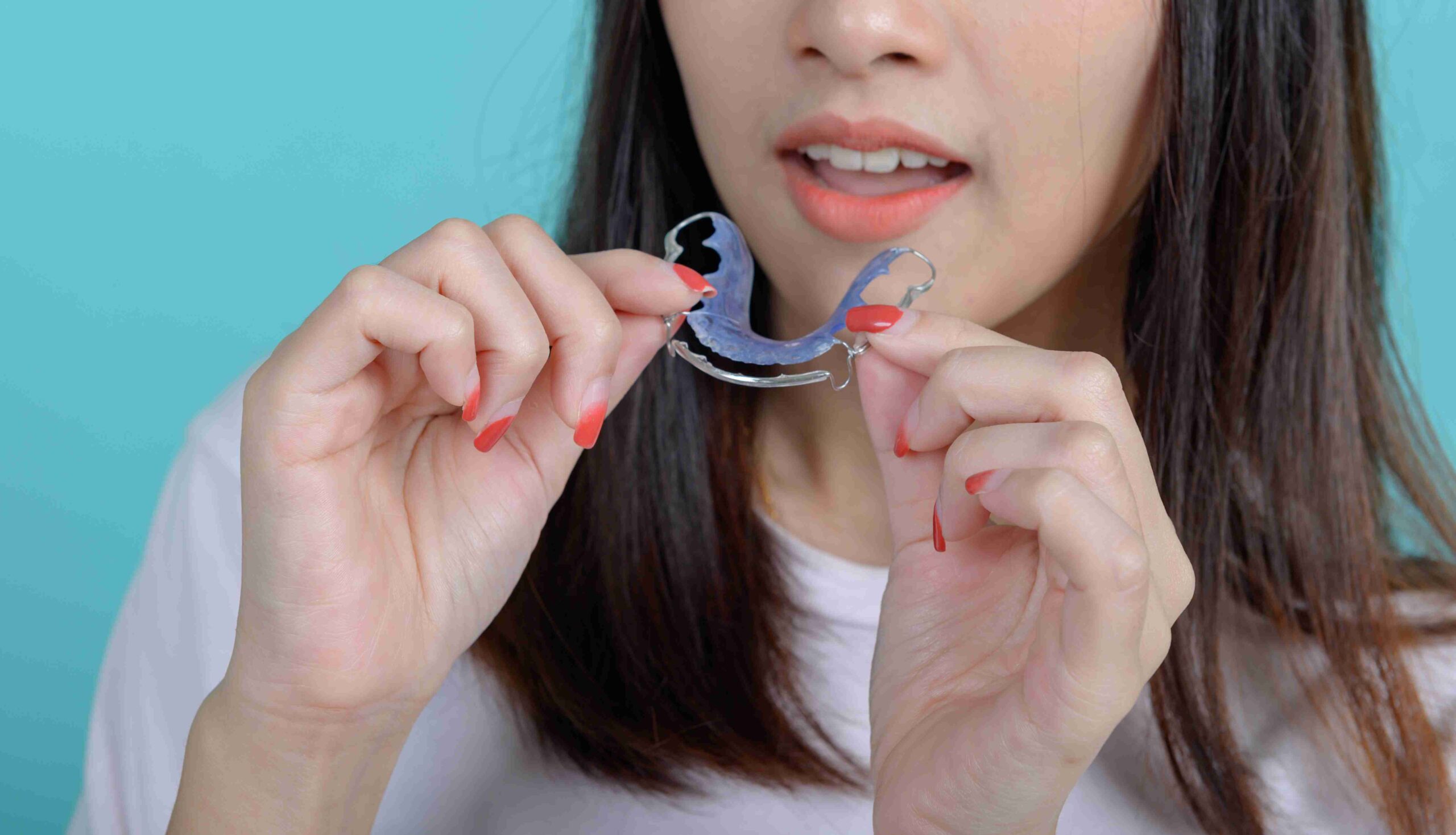
Made from plastic, similar to the clear trays used in Invisalign treatment. They’re easy to put in and take out, can be worn at any time, and suit people who care about appearance. They’re less durable than wire retainers and can crack easily, although stronger materials are now available, such as Zendura, which covers more of the tooth surface and helps keep teeth from shifting. The limitation is that they shouldn’t be worn while sleeping, as they may crack.
Wire Retainers
The traditional type, made from wire and plastic. You can choose the colour of the front wire covering. They’re strong, durable, affordable, and comfortable to wear, and can be worn at night without cracking because your teeth don’t grind against the retainer. Suitable for people who want a secure fit or who grind their teeth at night. The downside is that wire retainers don’t cover all the teeth, so teeth may shift slightly.
Fixed (Bonded) Retainers
A thin wire bonded to the inner surface of the teeth. It can’t be removed by the patient and must be removed by a dentist, making it very durable and highly effective at keeping teeth in place. Suitable for people whose teeth are prone to shifting. The drawbacks are that it’s harder to clean, tartar builds up more easily, and it costs more.
Retainer Design Examples
Experienced Dentists
Quality Materials
Convenient Location in Ekkamai 21
Factors That Affect Your Choice of Retainer
- Your dentist’s adviceYour dentist will assess your teeth and recommend the type of retainer that suits you best.
- Type of orthodontic treatmentDifferent types of orthodontic treatment call for different retainers.
- Severity of the dental problemMore complex cases may need a stronger, more durable retainer.
- LifestyleIf you clench or grind your teeth, you may need a stronger retainer.
- AppearanceIf you want a retainer that’s less visible, you may choose a clear one.
- BudgetPrices vary between types of retainers.
- Position of shifting teethIf certain teeth tend to shift, you may need a specific type of retainer.
- Patient habits: if you clench or grind your teeth, you may need a stronger retainer.
Problems That Can Occur If a Retainer Isn't Worn Properly
Not wearing your retainer properly can harm your orthodontic results and your oral health in several ways:
- Teeth shifting back to their original positionThis is the most common problem. If you don’t wear your retainer as your dentist advises, your teeth will gradually move back to where they were before treatment, affecting their alignment and your bite.
- Crooked teethAs well as moving back to their original position, teeth may also twist in unwanted directions.
- Bite problemsWhen teeth move out of position, your bite can become misaligned, causing problems with chewing and speech.
- Higher risk of tooth decayIf your retainer isn’t clean, or you eat while wearing it, bacteria and food debris can build up and increase the risk of decay.
- Mouth soresA poorly fitting retainer can cause sores inside the mouth.
- Damaged retainerBiting on your retainer or exposing it to heat can warp it.
- Bad breathIf your retainer isn’t cleaned thoroughly, it can cause bad breath.
Contact Us for More Information
How Long Do You Need to Wear a Retainer?
How long you need to wear a retainer depends on several factors, such as the complexity of your orthodontic treatment, your age, and how you respond to treatment. Dentists generally recommend the following:
- Initial phaseWear your retainer at all times, except when eating and brushing.
- Next phaseWear your retainer only at night.
- Long termYou may need to wear your retainer for life, or occasionally, depending on your dentist’s advice.
Factors That Affect How Long You Wear a Retainer
- Complexity of treatmentMore complex orthodontic cases may require wearing a retainer for longer.
- AgeChildren and teenagers may need to wear a retainer longer than adults, as their jaws are still growing.
- CareCaring for your retainer properly may help shorten the time you need to wear it.
Frequently Asked Questions
Do I need to wear a retainer for life?
Not necessarily. In some cases, once your teeth are strong and stable, your dentist may allow you to stop wearing your retainer. This depends on your dentist’s judgement, as they will assess how much longer you should continue wearing it.
What happens if I don't wear my retainer?
Without a retainer, your teeth may gradually move back to their original position, affecting their alignment and your bite, and you may even need to start orthodontic treatment again.
How do I care for my retainer?
- Gently brush both sides of your retainer with a soft toothbrush and toothpaste.
- Soak your retainer in a retainer cleaning solution, or diluted vinegar as advised by your dentist.
- Use retainer cleaning tablets, soaking as directed on the label.
- Avoid hot water and harsh chemicals such as whitening solutions, as they can damage your retainer.
- Don’t scrub too hard, as this can scratch or break your retainer.
- Always store your retainer in a clean case with the lid closed.