
Teeth Whitening
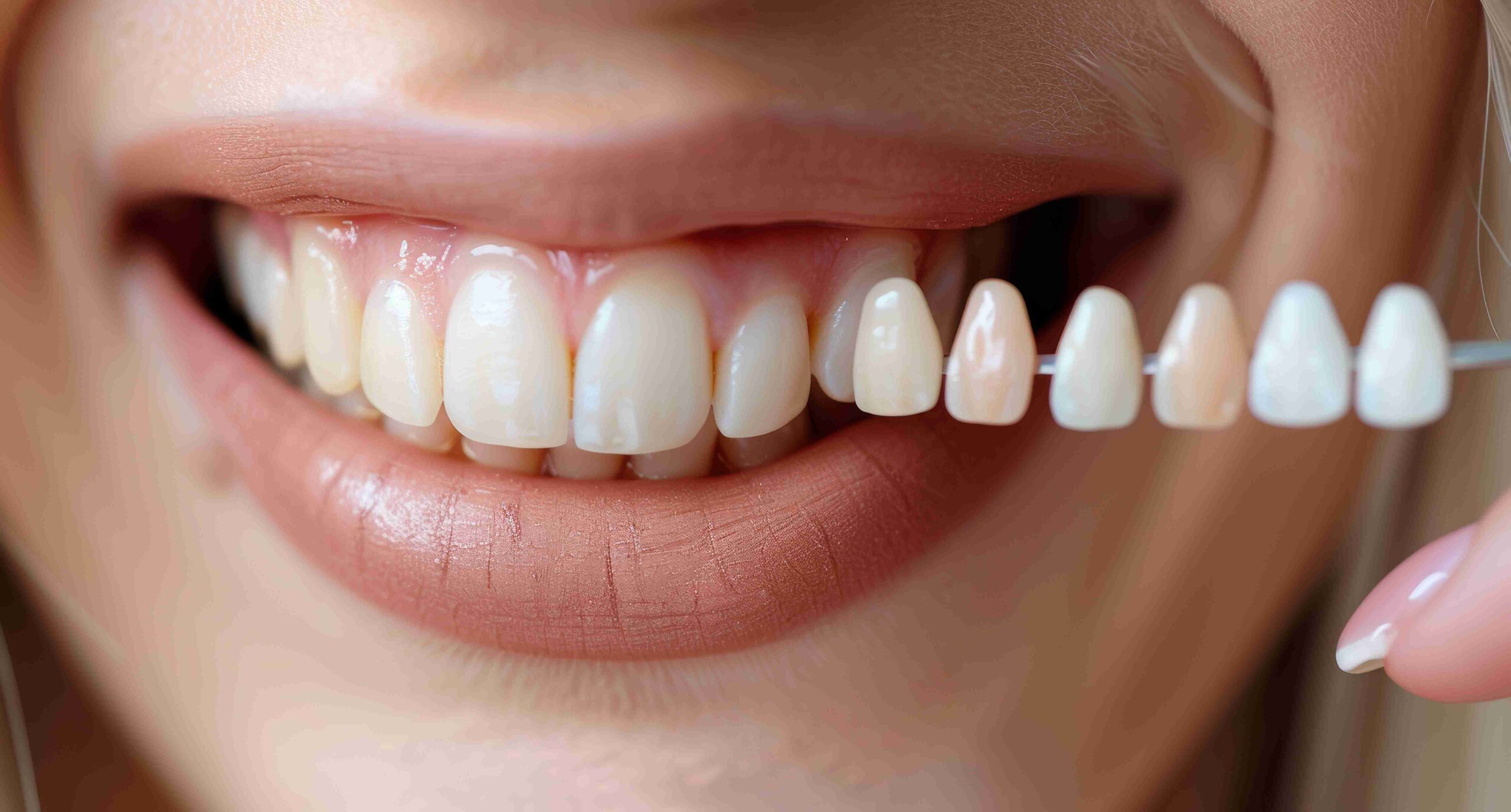
Teeth whitening is a dental treatment that corrects dull or discoloured teeth, restoring a naturally bright, white smile. Professional whitening with a dentist delivers real, visible results and is just as important as other forms of dental care. It’s a “Dental One Day Solution” that can make your teeth whiter and brighter in a single visit.
ผลงานการทำรากฟันเทียมจากผู้รับบริการจริง
ผลลัพธ์การรักษาขึ้นอยู่กับแต่ละบุคคล
Experienced Dentists
Quality Materials
Convenient Location in Ekkamai 21
Everything You Need to Know Before Whitening: Does It Work, and How Much Does It Cost?
As teeth whitening becomes more popular, it’s only natural to be curious. Bright, healthy-looking teeth boost your confidence and improve your overall appearance. But what exactly is teeth whitening, and does it really work?
Today, teeth whitening is widely popular because it enhances your appearance and builds self-confidence. More and more teenagers and working professionals who want a bright, clean smile are choosing to whiten their teeth. But is it as good as people say? What does it involve, will it solve your concerns, and how much does it actually cost? If you’re planning to whiten your teeth and have these questions in mind, we have the answers.
Who Is Teeth Whitening Suitable For?
- People who smile, talk, and interact with others regularly
- People whose natural tooth colour is dull
- People with yellow teeth caused by:
- Food and drink stains, such as tea, coffee, and soft drinks
- Regularly eating strongly flavoured foods, such as very sour or very spicy dishes
- Smoking
- Certain medications, such as the antibiotics tetracycline and doxycycline
- People with darkened teeth caused by:
- Coloured substances built up inside the tooth while it was forming
- A non-vital (dead) tooth (non-vital discoloration), which may result from injury or trauma, decay, wear, cracks, or severe gum disease that became infected and wasn’t properly treated, eventually causing the cells inside the tooth to die
Contact Us for More Information
Who Should Not Have Teeth Whitening?
- Pregnant or breastfeeding women – Gums and teeth may be more sensitive to irritation during pregnancy, and the unborn baby may be at risk from chemicals such as hydrogen peroxide or carbamide peroxide that could be absorbed into the body.
- People under 16 – Their teeth are still developing, which increases the risk of problems or side effects from whitening.
- People with gum disease – Such as gingivitis or periodontitis. Whitening may worsen gum health and increase the risk of side effects.
- People with tooth sensitivity, cavities, fillings, or other oral problems – Should consult a dentist before whitening, as they may experience more sensitivity than usual during treatment. It’s best to have your teeth and gums treated first.
Types of Teeth Whitening
There are 2 types of teeth whitening: whitening by a dentist and whitening at home. Each has its own details, differences, and precautions.
Professional Whitening by a Dentist
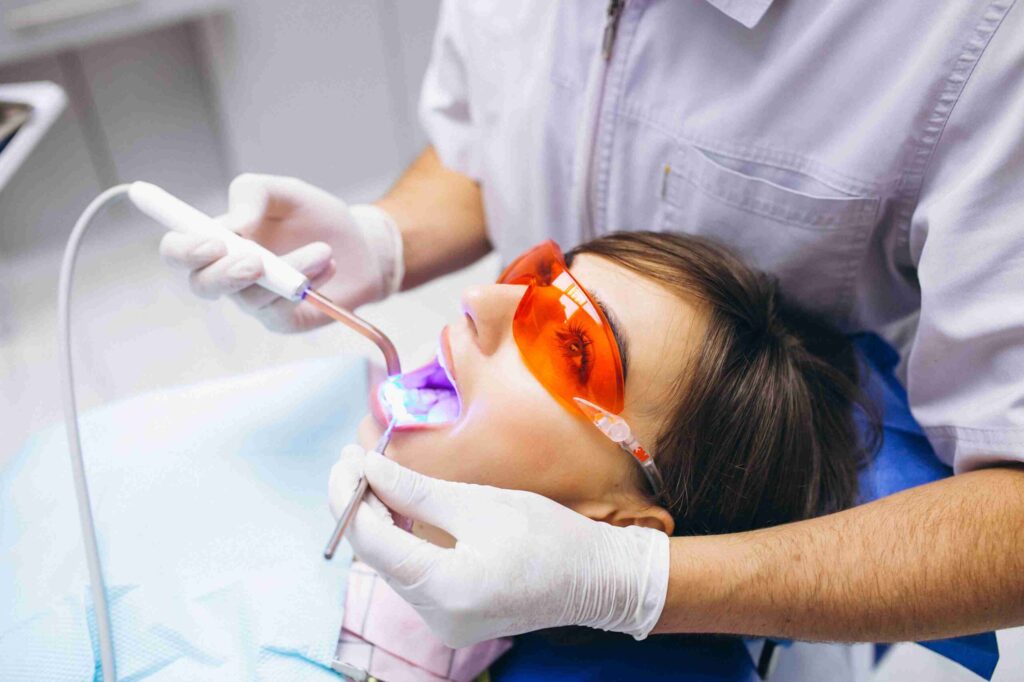
- Cool Light Teeth Whitening – Brightens yellow or dull teeth by applying a whitening gel containing hydrogen peroxide, then activating it with an intense blue LED “cool light” to help remove deep-set stains.
- Diode Laser Teeth Whitening – Uses a diode laser to activate the whitening gel so it breaks down and penetrates the tooth surface more effectively, quickly removing stains and pigment.
- Zoom Teeth Whitening – An innovative whitening system by PHILIPS that uses blue LED cool light technology with 3 adjustable intensity levels to suit each person’s natural tooth shade. ZOOM is safe and effective, helps reduce post-whitening sensitivity, shows results immediately, and keeps teeth whiter for longer than other methods.
- Pola Teeth Whitening – Uses Pola whitening gel by SDI Limited, an Australian dental products manufacturer. The high-concentration gel shows results immediately after treatment, and the concentration can be chosen to suit your tooth shade. No light activation is required, and Pola Desensitising Technology helps reduce sensitivity and irritation, making it highly safe and just as effective as other whitening methods.
The most suitable whitening method depends on the cause and severity of the discoloration, which varies from person to person. Your dentist will recommend the best option for your teeth.
At-Home Whitening
- Over-the-counter bleaching – Whitening products you can use at home, available at supermarkets, convenience stores, and pharmacies, such as whitening toothpaste, gels, mouthwash, and pens.
- At-home bleaching – Whitening you do yourself at home, but you’ll first need to visit the dentist to have impressions taken for custom whitening trays, receive the whitening gel, and get instructions on how to use it.
- In-office assisted bleaching – A combination of professional and at-home whitening, suitable for very dark teeth. The dentist first whitens your teeth in the clinic, then gives you trays and whitening gel to continue treatment at home.
For your safety, consult a dentist before whitening at home. Better still, have your teeth whitened by a dentist for clear, fast, and safe results.
How to Prepare Before Teeth Whitening
- Have your teeth scaled and polished before whitening.
- If you have cavities or worn areas at the gum line, have them filled first.
- You can use a toothpaste containing potassium nitrate to reduce sensitivity.
Aftercare: How to Keep Your Teeth White for Longer
- Avoid dark-coloured foods and drinks, such as tea and coffee, and avoid smoking for 2 weeks after whitening.
- Brush at least twice a day, ideally after every meal.
- Floss at least 1–2 times a day.
- See your dentist regularly every 6 months for scaling and polishing.
Frequently Asked Questions
How long does teeth whitening take?
About 1 hour.
Does whitening make teeth more sensitive?
Tooth sensitivity and gum irritation can be side effects right after whitening. These usually go away on their own within 2–3 days, depending on the individual. A toothpaste containing potassium nitrate can help relieve sensitivity.
Does whitening make tooth enamel thinner?
Whitening gel only reacts with the pigments built up inside the tooth to make it whiter and brighter. The tooth surface and enamel remain intact and do not become thinner.
Can I whiten my teeth while wearing braces?
No, as the colour of your teeth may become uneven, since brackets are attached to the tooth surface. It’s best to whiten your teeth around 3–6 months after your braces are removed.
How long do the results last?
Results can last up to 1 year, depending on your original tooth shade, the quality of the whitening gel and equipment used, and how well you care for your oral health afterwards.
Teeth Whitening at The Tooth Club
At The Tooth Club, our experienced dental team has specialist knowledge across each field of dentistry. We use modern tools and technology, with sterilisation systems that maintain hygiene throughout treatment to international standards. Every patient can be confident that treatment at our clinic is safe and precisely planned, with close, family-like care.