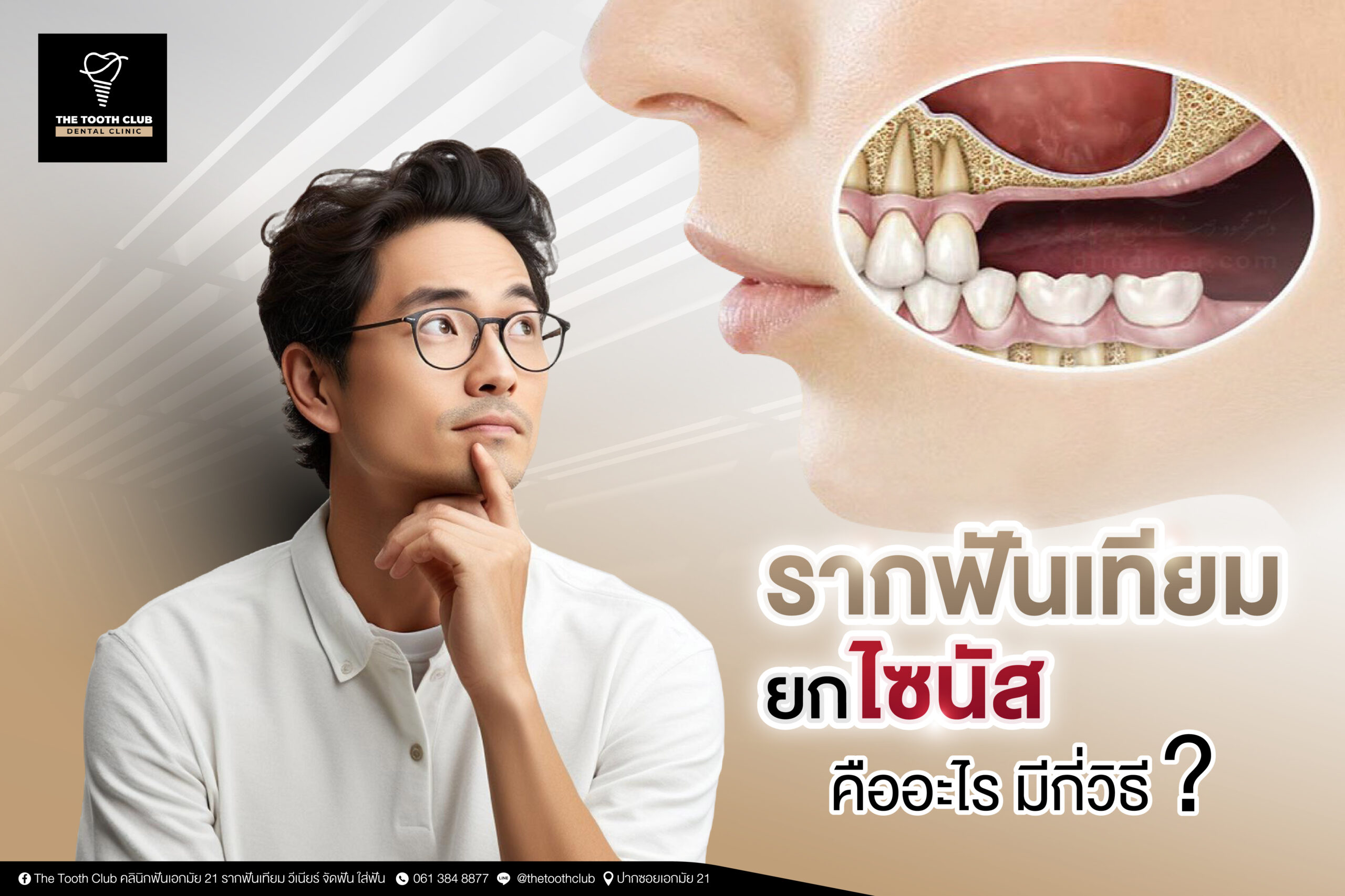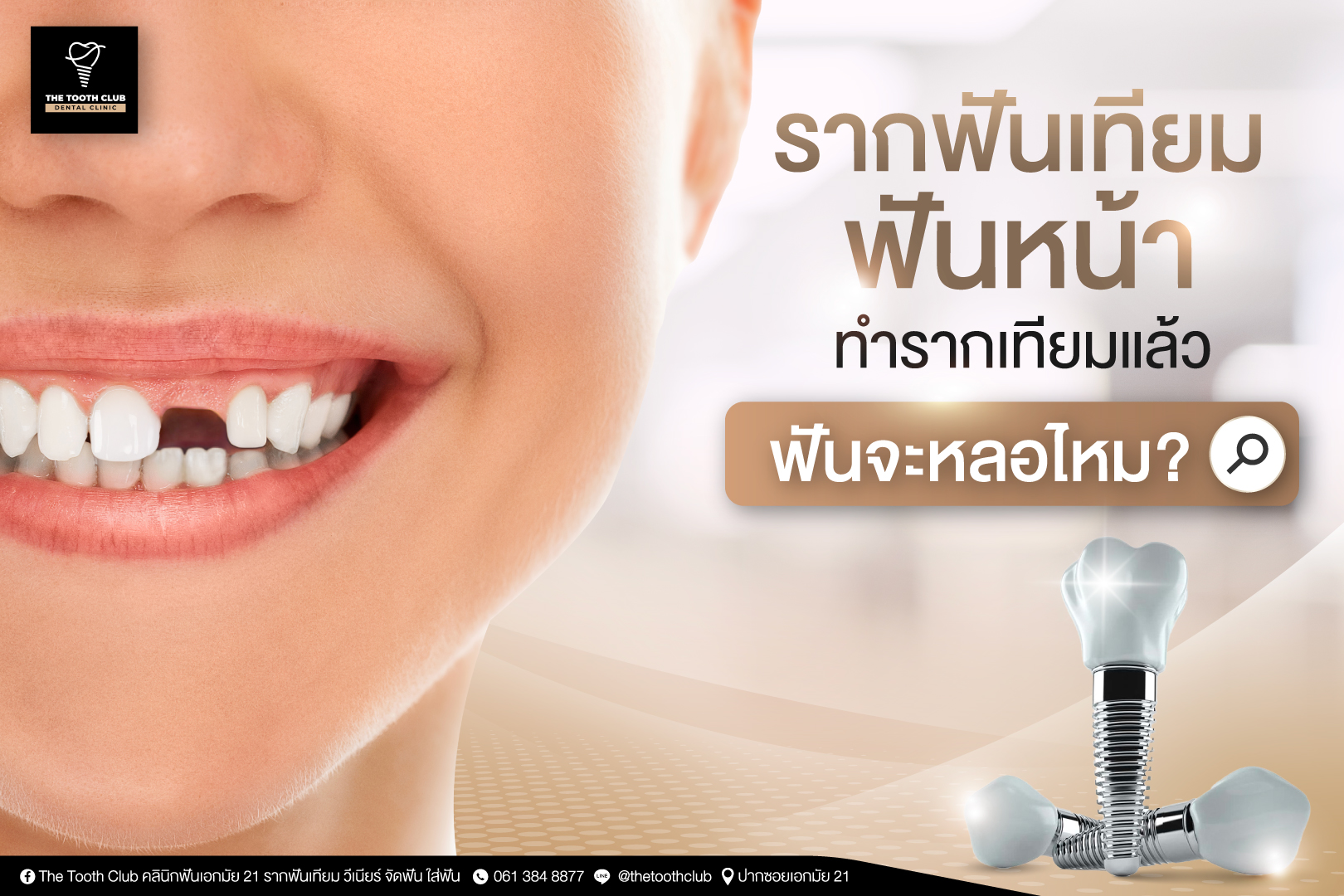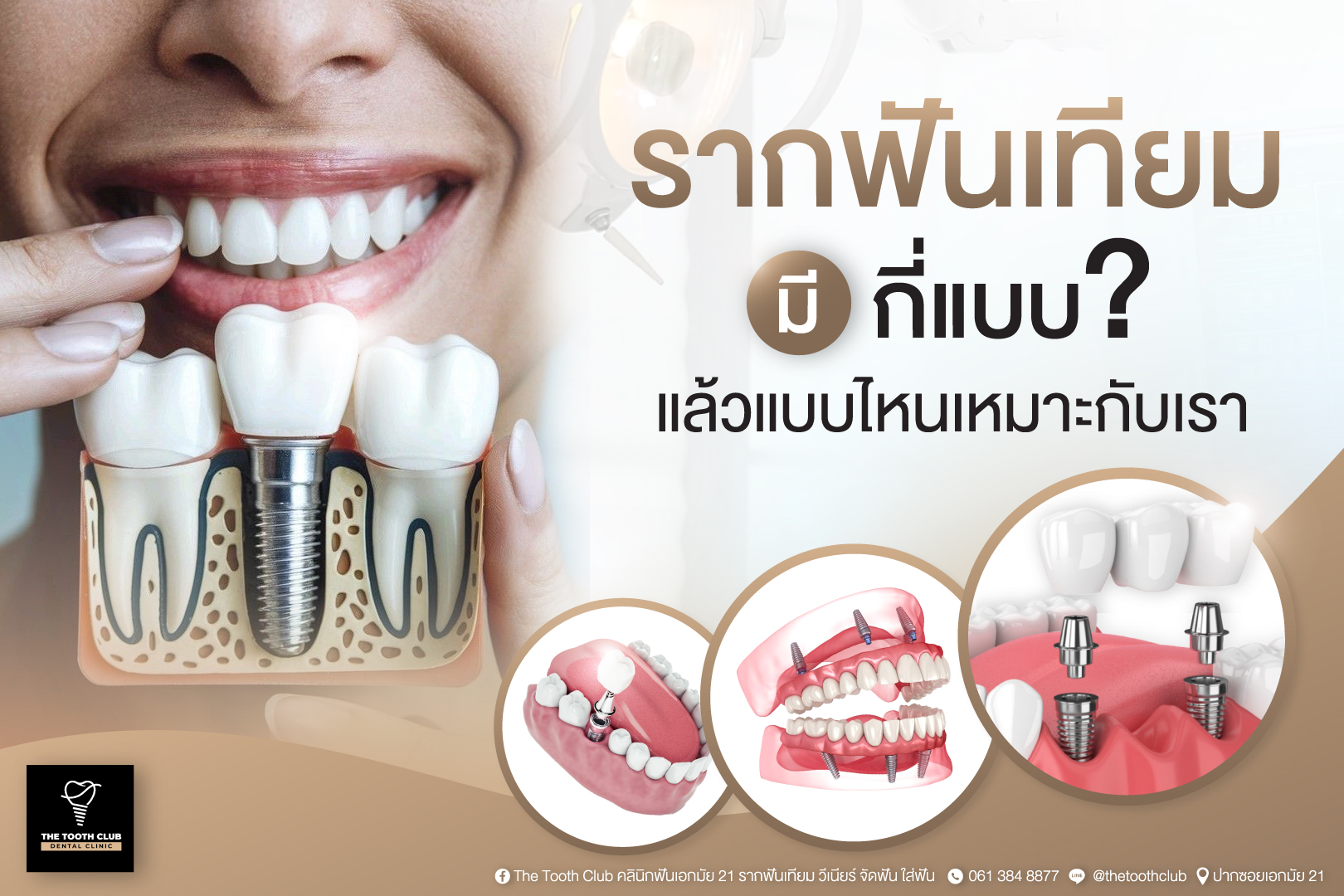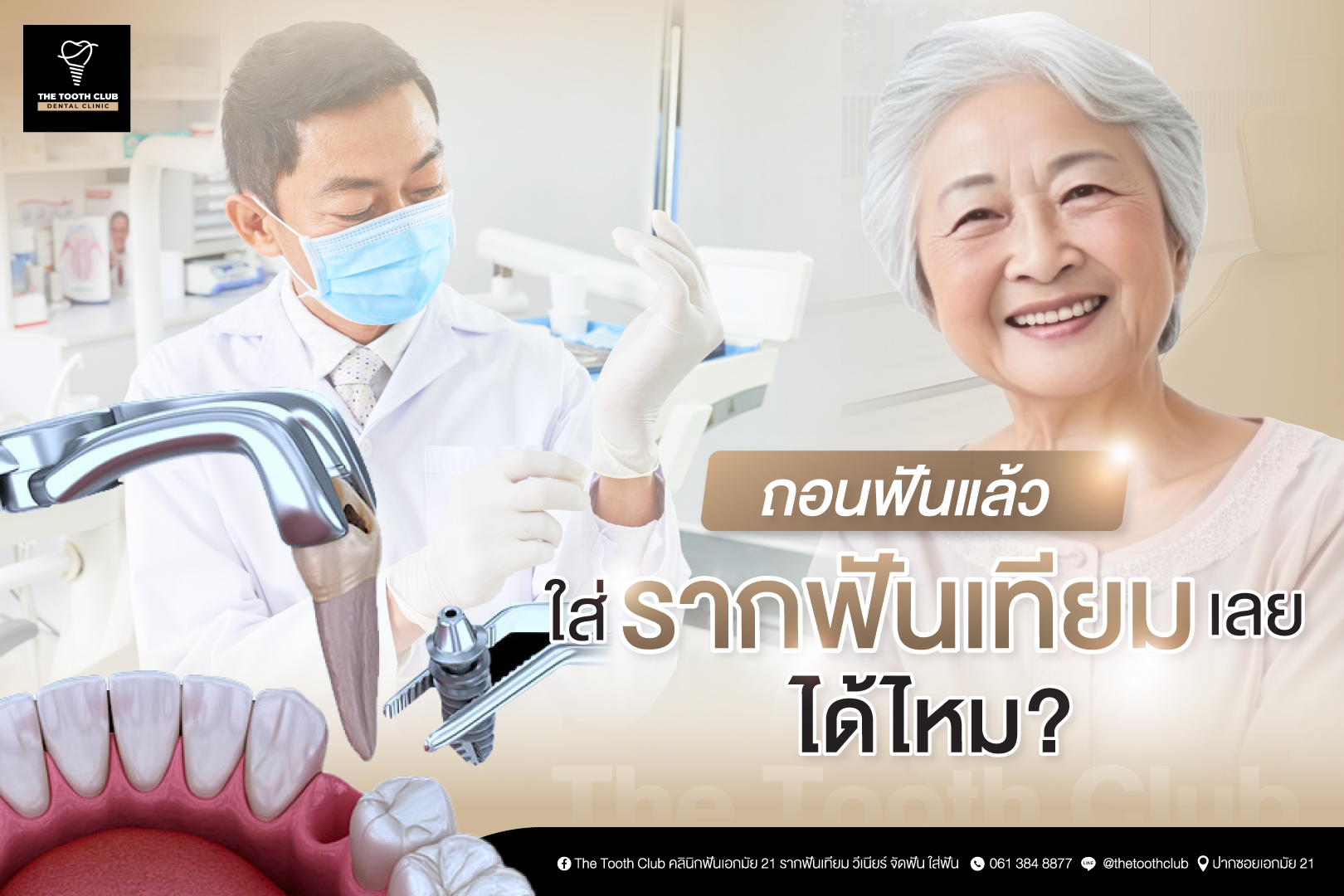
Can you get a dental implant straight after a tooth extraction? It’s a question many people ask, especially those facing an extraction because of decay or a tooth that can no longer be saved. A dental implant is an excellent way to restore a missing tooth, as it replaces the lost tooth effectively and lasts for many years. However, whether an implant can be placed immediately after extraction depends on several factors.
Immediate Implant Placement: Getting an Implant Right After Extraction
In many cases, extracting a tooth and placing an implant in the same visit, known as immediate implant placement, is possible. However, several important factors must be considered to make treatment as effective and safe as possible. The key benefit of immediate placement is a shorter recovery time and fewer additional procedures, but it isn’t suitable for every case. That’s why consulting a specialist dentist is essential to get the best advice.
Factors That Affect Immediate Implant Placement
1. Jawbone Condition
One of the most important factors is the quality of the jawbone. If the bone is thick and strong enough, an implant can be placed immediately after extraction. Immediate placement helps preserve the shape of the jawbone and reduces the bone loss that can occur after an extraction.
If the bone isn’t strong enough, or the remaining bone has been lost or has shrunk, a bone graft may be needed before the implant can be placed later. Bone grafting can take time and extend the overall treatment.
2. Position of the Tooth to Be Extracted
Immediate placement is better suited to teeth that are not in complex positions or close to nerves and blood vessels. If the tooth is in an area with complex anatomy, such as a back molar near a nerve, the implant may not be placed straight away, and the position and condition of the tooth must be carefully assessed first.
3. Gum and Oral Health
Immediate placement may not be suitable if the gums have problems or there is an infection. Extracting a tooth when the gums are unhealthy can reduce the chance of implant success, so cleaning and treating the gums fully before placing an implant is essential.
4. Overall Health
Your general health is another important factor. If you have certain health conditions, such as diabetes, heart disease, or other conditions that may affect healing, immediate placement may not be the best option. Your dentist should assess your overall health before deciding.
Benefits of Immediate Implant Placement
- Shorter treatment time: Placing an implant right after extraction speeds up recovery, as there’s no need to wait for the bone to heal completely first.
- Helps preserve the jawbone: Immediate placement helps reduce the jawbone loss that can follow an extraction.
- Restores function sooner: Your tooth can be back in use sooner, helping with chewing and speech.
- Fewer procedures: Fewer separate treatments mean fewer trips to the clinic.
Things to Consider with Immediate Implant Placement
- Risk of infection: Despite its many benefits, immediate placement may carry a higher risk of infection if aftercare isn’t followed properly.
- Not suitable in every case: If the bone isn’t strong enough or there are oral health problems, you may need to wait for the bone to heal, or have a bone graft, before the implant is placed.
- A more complex procedure: In some cases, immediate placement requires advanced techniques and an experienced, highly skilled dentist.
Getting an implant straight after extraction is best suited to people with good oral health and a jawbone strong enough to support an implant right away. The main advantages are a shorter treatment time and better preservation of the jawbone. However, the decision should be based on the condition of your tooth, your bone, and your overall health. Consulting a specialist dentist for an assessment first is essential to make sure you get the best and safest result.
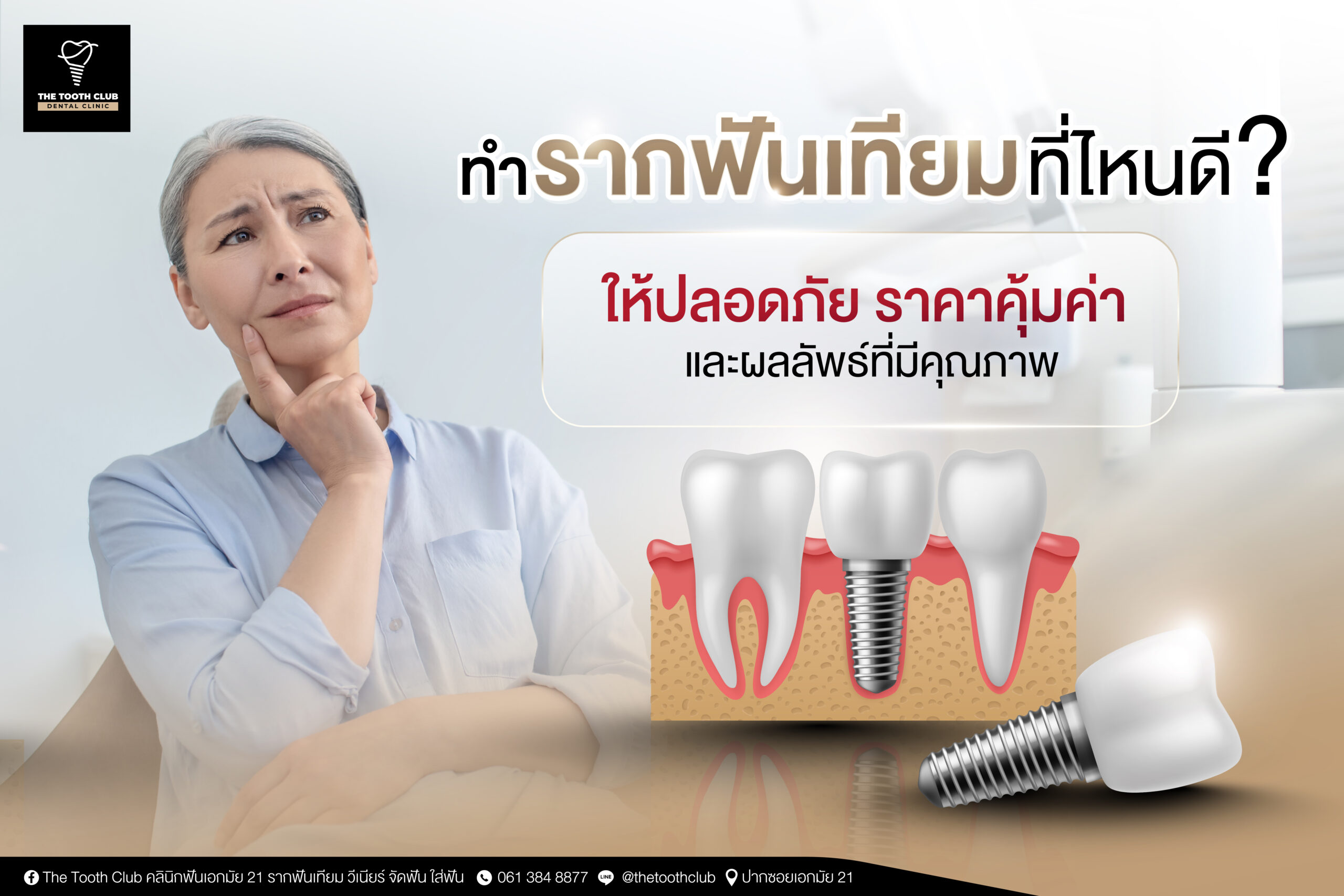
If you’re looking for a clinic experienced in dental implants, choose one that is trustworthy and properly accredited, so you can be confident in the safety and quality of your treatment.