
Occlusal Splints (Night Guards)
What Is an Occlusal Splint, Why Do You Need One, and What Problems Can It Solve?
Many people haven’t heard of an occlusal splint, as not everyone has a problem that needs one. However, this dental appliance can effectively help people with jaw joint (TMJ) disorders or those who grind their teeth at night.
For people who clench or grind their teeth while sleeping, or who have jaw joint problems, wearing an occlusal splint can effectively address these issues and prevent them from getting worse in the future. Let’s take a look at what this appliance is, why you might need one, what materials are available, how long you need to wear it, and whether it’s expensive.
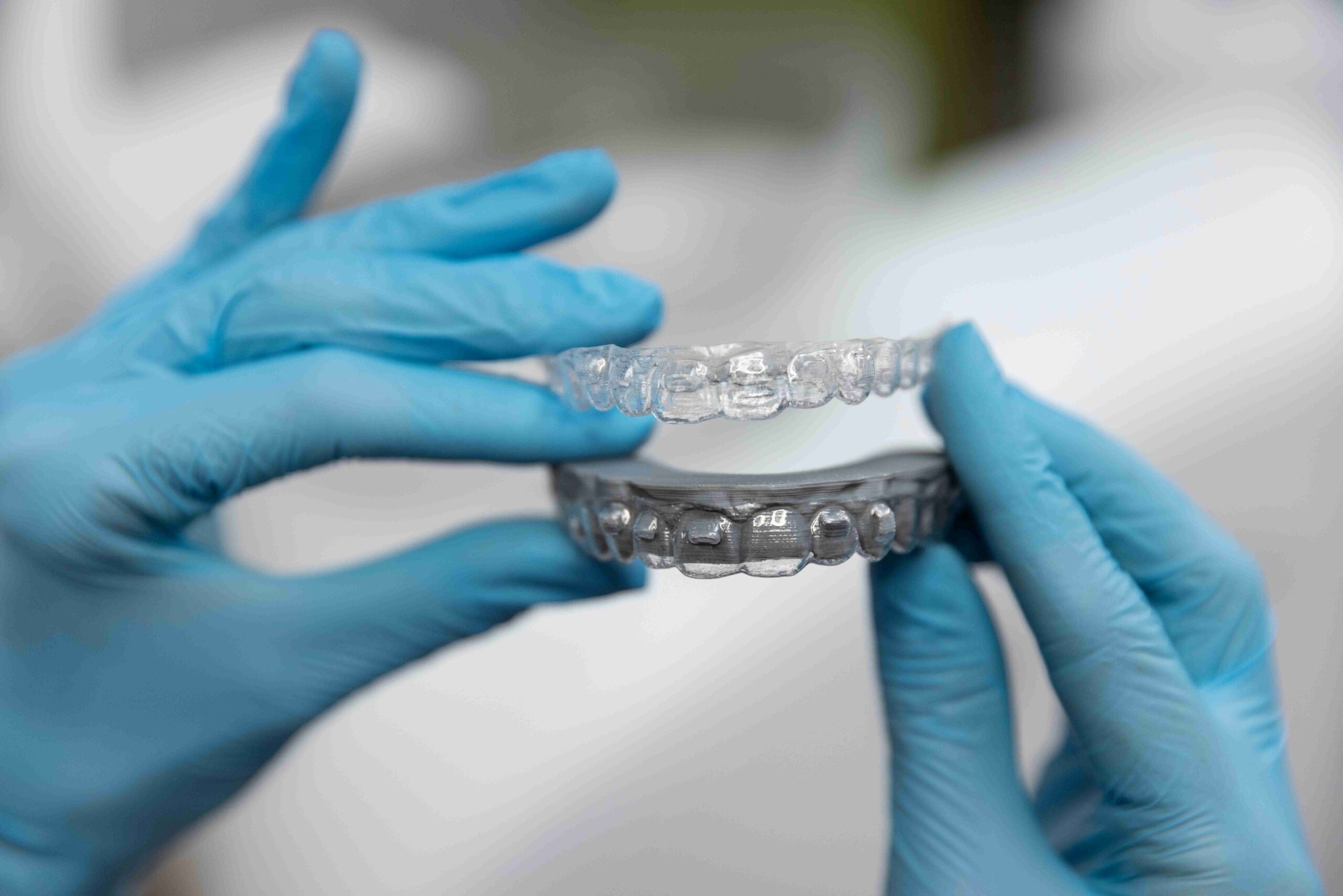
What Is an Occlusal Splint?
An occlusal splintornight guardis a custom-made dental appliance worn in the mouth. Its main job is to reduce the impact and friction between the upper and lower teeth, and to relieve aching in the jaw muscles and jaw joint. Wearing an occlusal splint can effectively address these problems and prevent them from becoming more serious in the future.
Experienced Dentists
Quality Materials
Convenient Location in Ekkamai 21
Why Wear an Occlusal Splint?
- Prevents tooth wearClenching or grinding your teeth over a long period wears away tooth enamel, which can lead to decay and an increased risk of tooth loss. An occlusal splint acts like a protective shield for your teeth.
- Reduces aches and painGrinding overworks the jaw muscles and can cause aching, headaches, or ringing in the ears. An occlusal splint reduces pressure on the jaw joint, letting the muscles rest and easing discomfort.
- Prevents jaw joint problemsLong-term grinding can inflame the jaw joint and cause problems with jaw movement. An occlusal splint helps keep the jaw in the correct position and prevents problems from becoming more serious.
- Supports other treatmentsOcclusal splints can be used alongside other treatments, such as orthodontics, to help resolve complex dental problems.
- Improves quality of lifeTeeth grinding can have a major impact on quality of life. Wearing an occlusal splint can help you sleep better, reduce aches and pain, and keep your smile looking great.
Contact Us for More Information
Types of Occlusal Splints and How They Differ
Soft Splint
(Soft Occlusal Splint)
- Features: Made from soft, highly flexible materials such as silicone.
- Pros: Comfortable and non-irritating. Suitable for first-time users or people with severe pain. Quick and easy to make.
- Limitations: Less durable than hard splints and can tear easily. May need frequent replacement with long-term use.
Hard Splint
(Hard Occlusal Splint)
- Features: Made from acrylic, which is strong and durable.
- Pros: Lasts longer than a soft splint and offers better protection against tooth wear.
- Limitations: May take longer to make than a soft splint and may cause slight irritation at first.
The choice of occlusal splint depends on your dentist's judgement, together with the following factors, to give you the splint that best suits your needs:
- Severity of symptoms: If you have severe pain, your dentist may recommend starting with a soft splint to relieve symptoms, then switching to a hard splint later.
- Usage habits: If you tend to bite or chew on the splint, a hard splint may be more suitable.
- Comfort: Some patients find soft splints more comfortable, while others prefer the strength of a hard splint.
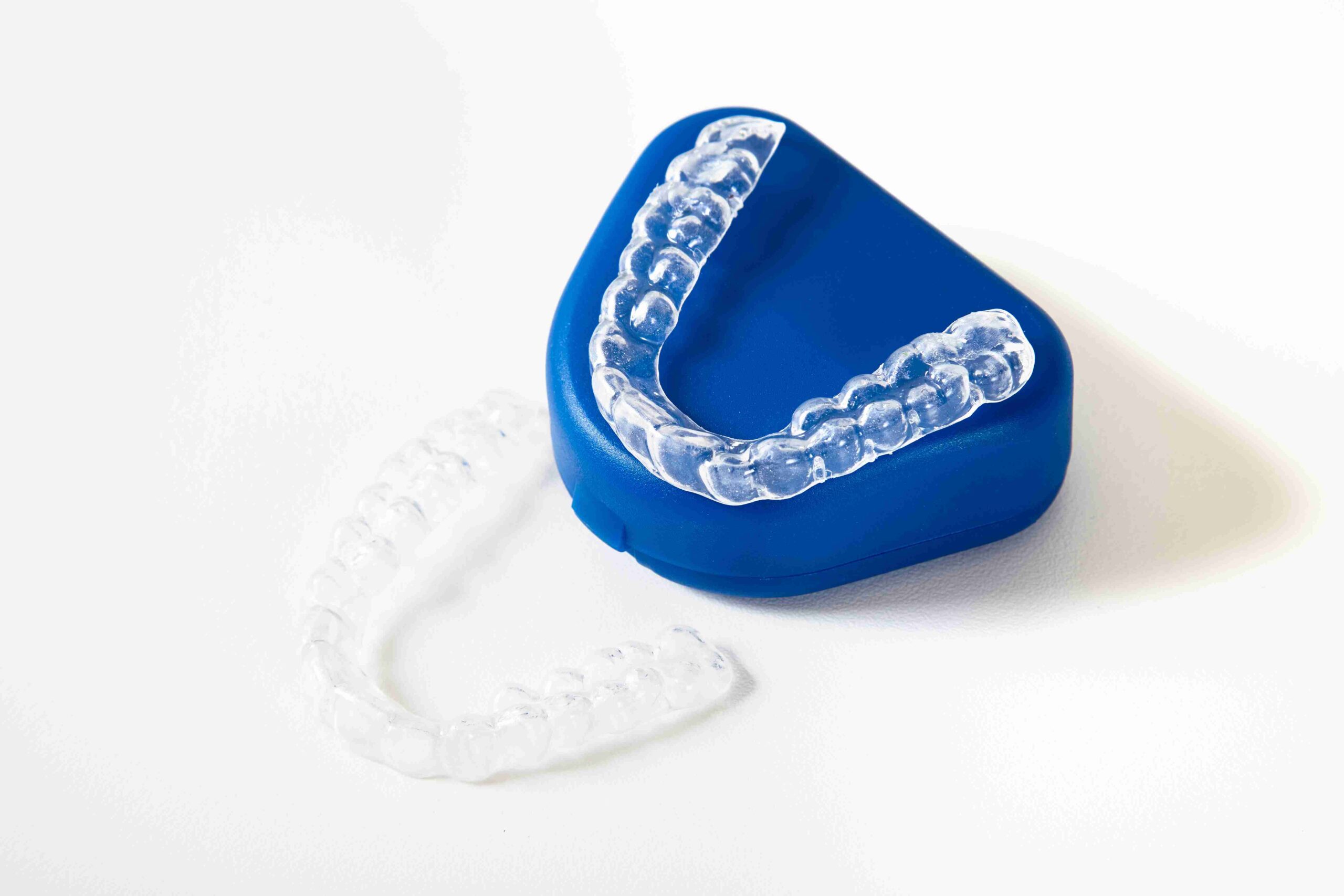
Tips for Using Your Occlusal Splint
Using your occlusal splint correctly helps you get the most out of treatment and effectively improves problems caused by clenching or grinding. Be sure to follow your dentist’s instructions carefully.
- Wear your splint as your dentist advises. Your dentist will decide how long you should wear it, which may be only at night or all the time, depending on your condition.
- Clean your splint regularly. Brush it with a toothbrush and toothpaste every morning and before bed to prevent bacteria build-up and bad breath.
- Soak your splint in a disinfecting solution. Regularly soak it in the disinfecting solution recommended by your dentist to keep it clean.
- Check your splint for damage. Inspect it regularly, and if you notice any cracks or scratches, let your dentist know so it can be replaced.
- Attend your follow-up appointments. See your dentist as scheduled so they can check your progress and adjust your splint if needed.
Who Should Wear an Occlusal Splint?
- Athletes, such as boxers, judo practitioners, and taekwondo athletes
- People who frequently grind their teeth at night
- People with aching jaw muscles
- People with jaw joint (TMJ) problems
- People with worn teeth
- People undergoing certain dental treatments
Tips for Using Your Occlusal Splint
Using your occlusal splint correctly helps you get the most out of treatment and effectively improves problems caused by clenching or grinding. Be sure to follow your dentist’s instructions carefully.
- Wear your splint as your dentist advises. Your dentist will decide how long you should wear it, which may be only at night or all the time, depending on your condition.
- Clean your splint regularly. Brush it with a toothbrush and toothpaste every morning and before bed to prevent bacteria build-up and bad breath.
- Soak your splint in a disinfecting solution. Regularly soak it in the disinfecting solution recommended by your dentist to keep it clean.
- Check your splint for damage. Inspect it regularly, and if you notice any cracks or scratches, let your dentist know so it can be replaced.
- Attend your follow-up appointments. See your dentist as scheduled so they can check your progress and adjust your splint if needed.
Frequently Asked Questions
What should I eat while wearing an occlusal splint?
Be careful with hard or sticky foods, as they could crack or break your splint.
Can I exercise normally while wearing an occlusal splint?
Yes, you can exercise normally, but avoid activities that could knock your splint out of your mouth.
What precautions should I take with an occlusal splint?
- When you first start wearing it, your splint may feel tight or you may produce more saliva. This is normal, and your body will adjust.
- Don’t bite or chew on your splint, as this can damage it.
- If you notice increased pain, swelling, or any other unusual symptoms, consult your dentist immediately.
Wearing an occlusal splint is an important treatment that requires proper care. If you have any questions, consult a specialist dentist right away.