
Dental Fillings
Everything You Need to Know About Dental Fillings: Which Type, and Why You Need One
Getting a filling isn’t something to fear, but it is something we should all pay attention to. Fillings help your teeth last longer and keep you away from serious problems caused by tooth decay and erosion.
Most of us are familiar with fillings, as they’re one of the most common routine dental treatments when teeth start to decay. Even so, many people still wonder: what exactly is a filling? Does it always hurt? Why do I need one, and which type is best? To answer all these questions, here’s everything you need to know about dental fillings.

Experienced Dentists
Quality Materials
Convenient Location in Ekkamai 21
What Is a Dental Filling?
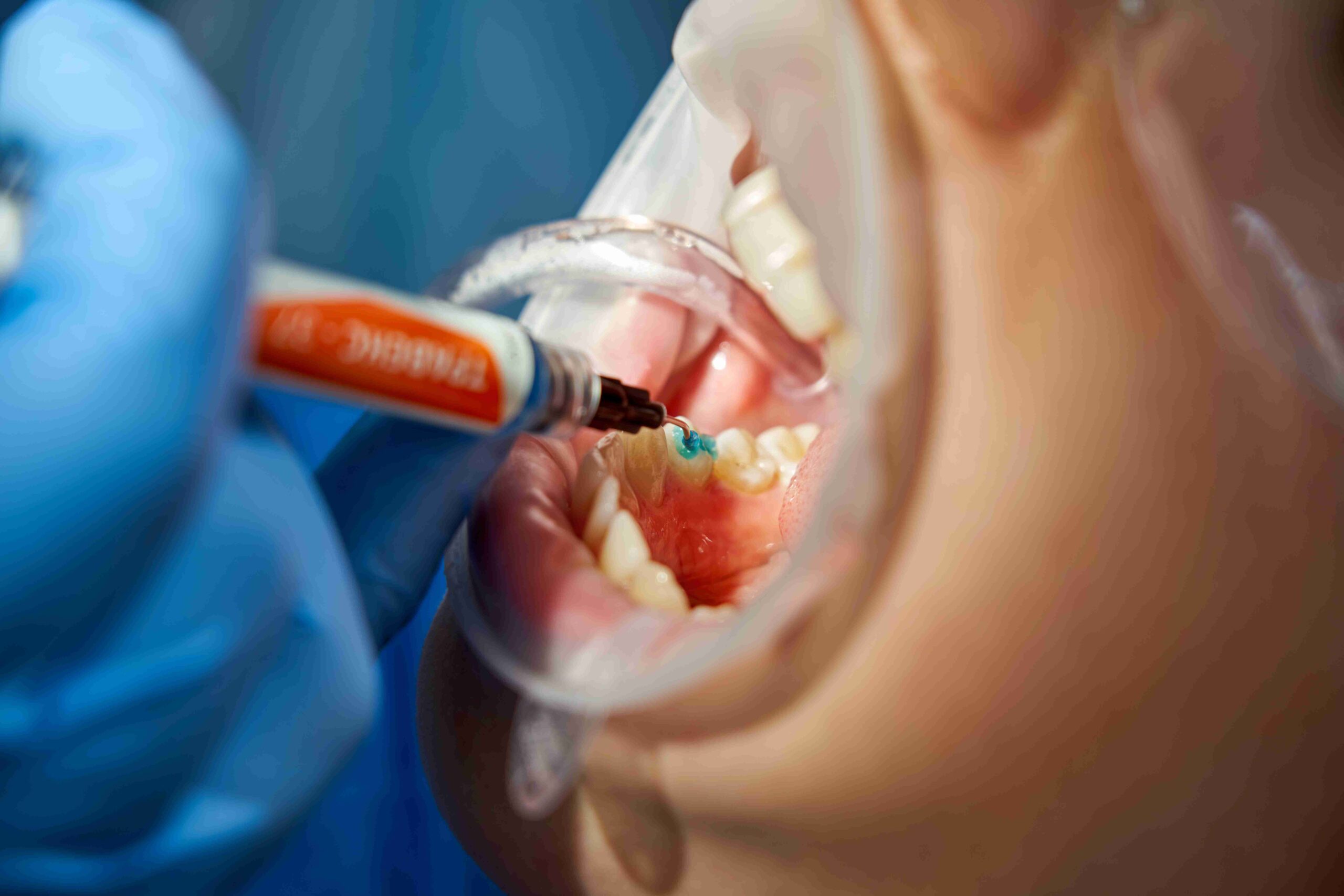
A dental filling is a routine dental procedure that repairs teeth damaged by decay, erosion, wear, accidents, or cracks. The dentist fills the damaged area with filling material to stop further damage, so your tooth is strong, looks good, and works properly again. However, a tooth can only be treated with a filling if the damage hasn’t reached the pulp and there is enough tooth structure left for the filling to bond to.
Why Are Fillings Important, and Why Should Cavities Be Filled?
If a damaged tooth is left untreated, bacteria and food debris can get trapped in the decayed, cracked, or grooved areas, leading to many oral health problems such as gum inflammation, abscesses, pulp inflammation, and root deterioration, and potentially even oral cancer. A filling tackles the problem early, stopping bacteria, germs, and food debris from getting trapped in the tooth and causing serious damage.
Contact Us for More Information
Which Dental Problems Need a Filling?
- Teeth that are decayed, cracked, broken, worn, or chipped, or that cause toothache, provided there is enough tooth structure left for a filling
- Gaps between teeth, which the dentist can close using fillings
- Existing fillings that have fallen out, are leaking, or where the tooth has cracked further
- People who want to change the shape or colour of an existing filling
- Worn areas at the gum line caused by brushing incorrectly
What Materials Are Used for Fillings?
Filling materials are synthetic materials used to fill teeth. There are 3 main types: metal fillings, tooth-coloured fillings, and porcelain (ceramic) fillings. Each has its own pros, cons, and best uses:
- Metal (silver) fillings, or amalgam (Amalgam)Amalgam fillings are made from a strong, durable mix of mercury, silver, tin, and other metals. Amalgam is easy to work with, quick, strong, and inexpensive. Once placed, the filling looks silver or grey. Dentists usually consider this material for molars, chewing surfaces, or teeth towards the back of the mouth.
- Tooth-coloured fillings (Composite Resins)These fillings use material that matches the colour of your natural teeth. They’re the most popular option and ideal for front teeth, where appearance matters and the filling should blend in with the surrounding teeth. There’s no need to wait 24 hours: you can use the tooth right after treatment. However, they don’t last as long and aren’t as strong as metal fillings.
- Porcelain tooth-coloured fillings (Ceramic Inlay-Onlay)orceramic fillingsThese fillings are custom-made in a dental laboratory and then bonded to your tooth. They match the colour of natural teeth, are strong and durable, and last around 15 years. They’re typically used for inlays and onlays, which are larger than standard fillings, and cost more than other filling materials.
How to Prepare for a Filling
- Always tell our staff and your dentist about any medical conditions, medications you’re taking, and drug allergies before treatment.
- Brush your teeth, rinse, and clean your mouth before every treatment.
- Eat beforehand. If you’re having a metal filling, you’ll need to wait 24 hours before eating on that side.
- If you wear removable dentures or a retainer, bring them with you every time.
- Get plenty of rest so you feel relaxed during treatment.
How Much Does a Filling Cost?
The cost of a filling varies depending on the dental problem, the complexity of treatment, which tooth is affected and how many surfaces, the material used, and the clinic. Generally, fillings start from around 600–1,500 THB. If you need a filling, it’s best to consult a dentist first for a diagnosis and initial treatment plan.
Frequently Asked Questions
Can I claim fillings under Thai Social Security?
Yes. Social Security benefits can be used as a discount of up to 900 THB per year on fillings.
I'm afraid of pain. Can I skip the filling? Is it dangerous to leave it?
No. Untreated decay will keep growing into a wider, deeper cavity and cause many serious problems, such as toothache, loose teeth, sensitivity, abscesses, and gum inflammation. In severe cases, you may need root canal treatment, or even an extraction followed by a denture.
Is a filling or a dental implant better?
It depends on your dentist’s diagnosis. If the damage can still be repaired with a filling, your dentist will consider that first. If the damage is severe enough to affect the root, your dentist may plan root canal treatment or a dental implant as the next step.
How long does a filling take?
On average, a filling takes about 30–45 minutes per tooth, depending on the tooth’s position, the problem, the complexity of treatment, and how well the patient is able to cooperate.
Do fillings hurt?
You may feel some pain or sensitivity while the tooth is being drilled. If the decay is deep and close to the pulp, you may feel sensitivity or pain, but there’s no need to worry: your dentist will use local anaesthetic to minimise discomfort.
Can I have a porcelain filling on a molar instead of amalgam?
It depends on your dentist’s diagnosis. For large fillings, your dentist may recommend porcelain instead of other materials, but it also depends on your budget, as porcelain is relatively expensive.
How should I care for my teeth after a filling?
- With tooth-coloured fillings, you can chew right away. With metal fillings, avoid chewing on that side for at least 24 hours.
- Avoid very sticky or hard foods.
- Some aching, tightness, or sensitivity after a filling is normal and should settle within 1 week.
- If the filling feels high, your bite feels off, or chewing becomes more painful, see your dentist right away.
- Use a soft toothbrush and an antibacterial mouthwash.
- See your dentist every 6 months for a check-up.