
Root Canal Treatment
What Is Root Canal Treatment and Why Do You Need It?
Are you so afraid of root canal treatment that you avoid the dentist, putting up with pain until you can barely chew? If so, we’ve put together everything you need to know about root canal treatment so you can feel at ease, and you’ll see that it’s not as scary as you think.
If you have tooth decay that’s gone untreated, or ongoing pain when chewing, toothache, or sensitivity, it could be a sign of a root canal problem you shouldn’t ignore. See a dentist as soon as possible, before the problem spreads and you lose the tooth. Let’s take a closer look at root canal treatment, which may sound frightening but really isn’t as bad as you might think.
What Is Root Canal Treatment?
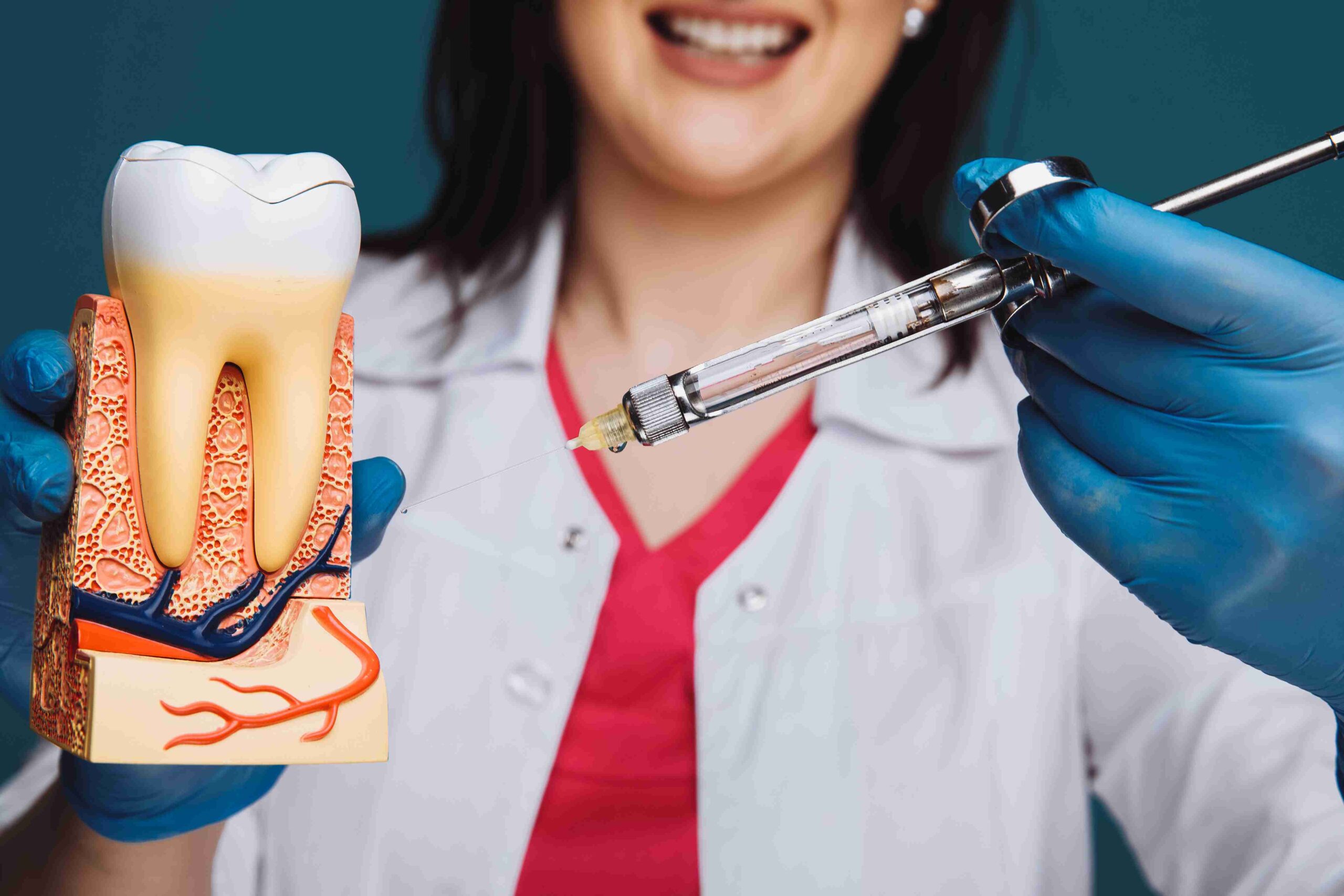
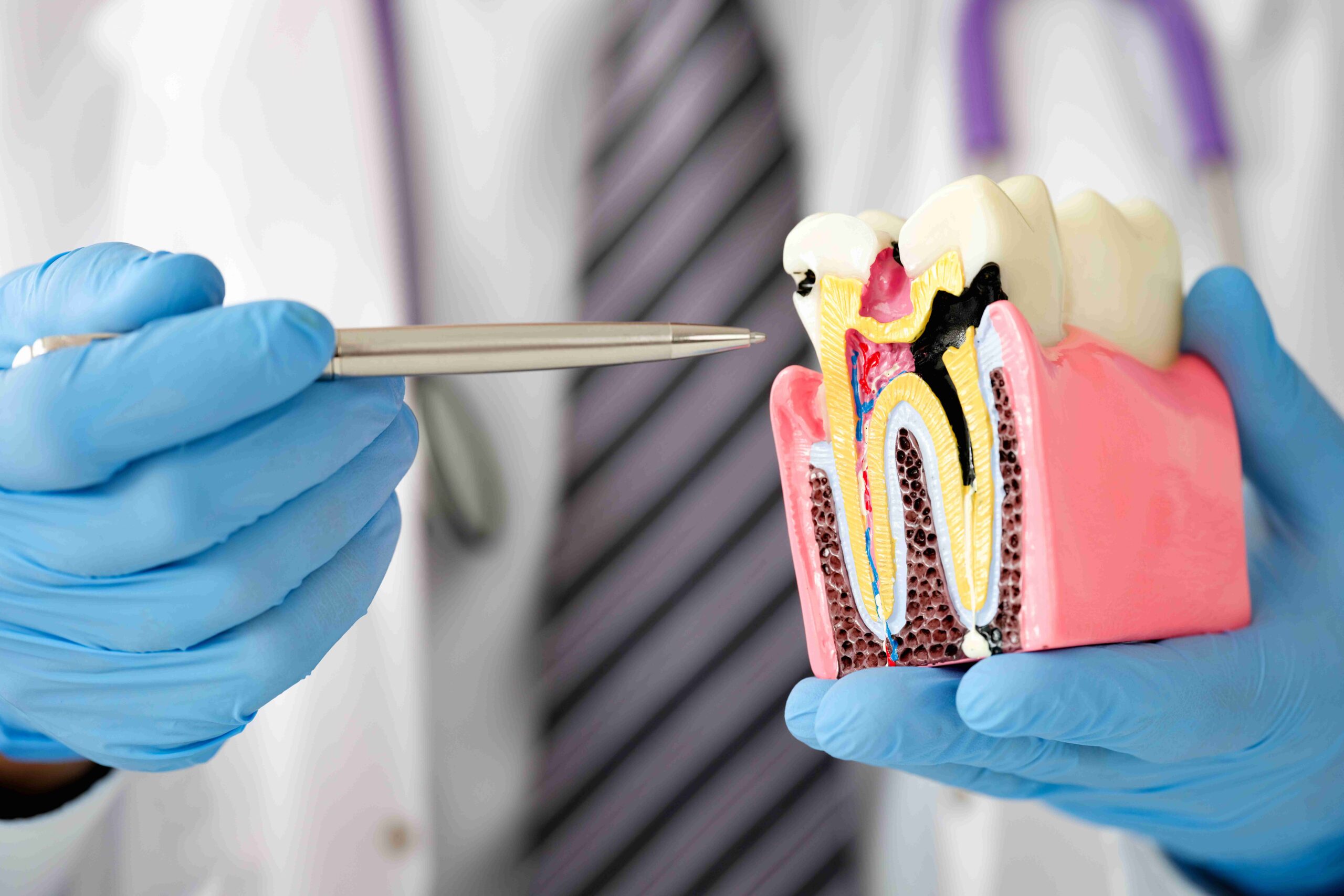
Root canal treatment is the removal of inflamed or infected tissue from the pulp chamber and root canals at the centre of the tooth. The dentist cleans the pulp chamber and root canals, and once they are free of infection, seals the canals and restores the tooth so it is strong and works normally again. It saves your natural tooth without the need for extraction. If left untreated, the tooth may die, develop an abscess, or darken, and some patients may also experience facial swelling.
Experienced Dentists
Quality Materials
Convenient Location in Ekkamai 21
What Causes Root Canal Problems?
- Chronic tooth decay with infection reaching deep into the tooth and pulp
- Cracked, chipped, or broken teeth with fractures reaching the pulp
- A severe blow to the tooth from an accident, killing the tooth tissue and damaging its blood vessels and nerves, leading to inflammation
- Gum disease
- Excessive chewing force or teeth grinding, causing cracks that let bacteria into the pulp
Why Do You Need Root Canal Treatment?
Root canal treatment restores your tooth so it works as well as before, lets you eat normally, and prevents dental problems from spreading and harming other teeth. The main reasons for root canal treatment include:
- Gum disease
- Severe tooth decay
- Severe teeth grinding
- Trauma that breaks the tooth down to the pulp
- Heavy chewing or excessive force on the teeth that irritates the pulp and causes cracks, allowing bacteria to enter
Types of Root Canal Treatment
There are 2 types of root canal treatment:
- Conventional root canal treatment
The dentist takes X-rays to measure the length of the root canals, then treats and cleans inside the canals to remove bacteria and damaged tissue. A temporary filling is placed until the infection is completely cleared, after which the canals are filled with gutta-percha.
- Apicoectomy (root-end surgery)
If conventional treatment doesn’t work, the dentist may recommend surgery at the tip of the affected root to remove part of it, then seal the cleaned root end with filling material.
Warning Signs of Root Canal Problems
- Pain when chewing or biting
- Sensitivity to hot or cold food and drinks
- A tooth that feels loose or wobbly
- Facial swelling
- Pus draining from the infected tooth
- A pimple-like abscess on the gum
- A darkened tooth
Contact Us for More Information
Why Do You Need a Crown After Root Canal Treatment?
A crown helps prevent the tooth from cracking or breaking. Root canal treatment is a complex procedure that takes more than one visit, so a crown is placed to protect the tooth. You can choose the crown material that best suits your needs.
How to Prepare for Root Canal Treatment
Preparing properly before root canal treatment helps your dentist carry out each step efficiently, leading to better results. It also reduces the risk of complications and infection, so be sure to follow your dentist’s advice carefully.
How to prepare:
- Get plenty of rest, with at least 8 hours of sleep before your treatment.
- Avoid alcohol, smoking, and any substances that affect your heart rate or blood circulation for at least 6 hours before treatment.
- Tell your dentist about any drug allergies, as well as any medications or supplements you are taking.
Aftercare Following Root Canal Treatment
- You may feel some aching or tightness for the first 2–3 days. Take pain relief as prescribed by your dentist, and the discomfort should ease. If it doesn’t improve or you notice unusual swelling, see your dentist immediately.
- Avoid eating right after treatment while the anaesthetic is still working, as you could accidentally bite your tongue or cheek.
- Eat soft foods and avoid sticky or hard foods. Don’t chew or bite with the treated tooth, as it could crack or break.
- If your temporary filling falls out, see your dentist immediately to prevent infection from entering the pulp.
- Attend all follow-up appointments so your dentist can closely monitor your recovery and reduce the risk of losing the treated tooth.
- Keep your mouth clean by brushing and flossing regularly to reduce bacterial build-up.
By completing your root canal treatment, keeping your mouth clean, taking good care of your oral health, and seeing your dentist every 6 months, you can enjoy strong, healthy teeth that last for many years.

Possible Side Effects After Root Canal Treatment
For the first 2–3 days, you may feel some soreness, which will ease and go away on its own. If the pain is severe, pain relief can help. However, if the pain persists or gets worse, it may be because the canal was not completely cleaned or shaped before filling, or the tooth has cracked. See your dentist promptly, as the tooth may need to be retreated.
Where Should You Have Root Canal Treatment?
Choose a clinic or medical facility that meets international standards, with specialist dentists who can advise you and manage your case properly, so your root canal treatment is safe and restores a strong, healthy tooth.
The Tooth Club is a comprehensive dental clinic led by Dr. Warangkana Lamyai (“Dr. First”), who has over 15 years of experience in dentistry and specialises in dental implants, handling both routine and complex cases with confidence. We use modern equipment and technology at accessible prices. If you have any dental concerns, consult us for free.
Frequently Asked Questions
Does root canal treatment hurt?
Because the root contains nerves and blood vessels, treatment may cause some discomfort. How much you feel depends on the position and shape of each person’s roots.
Isn't it better to just have the tooth extracted?
Your natural teeth are important, strong, and durable, and they’re better than artificial teeth, giving you a natural feel when you chew. If your dentist decides the tooth can be saved with root canal treatment, that’s usually the better option. Extracting the tooth may cause neighbouring teeth to tilt or shift, and if the gap isn’t replaced, it can lead to gum problems later on.
How long does root canal treatment take?
It depends on the infection. Mild cases can sometimes be treated in a single visit, while most cases take 2 visits, 1–2 weeks apart. Severe cases or those with complications may take longer, at your dentist’s discretion.
Can I get braces after root canal treatment?
Yes, you can get braces as normal, but your root canal treatment must be completed first. An untreated infected tooth will only get worse and can get in the way of future orthodontic treatment.
How long does it take for the pain to go away after treatment?
Pain usually goes away within about 2–3 weeks, depending on the severity of each case.
How much does root canal treatment cost?
Once your dentist decides that root canal treatment is needed, they will assess the most suitable treatment method. Costs generally range from 6,000 to 12,000 THB, divided into two parts: the root canal treatment and the tooth restoration. Prices vary depending on the position of the tooth and its roots, with front teeth costing less than molars, as well as the complexity of the treatment and restoration. Additional costs may apply, such as X-rays, crowns, or posts.