Metal Braces
Metal braces open the door to a beautiful, confident smile and fix misaligned teeth at the same time. If you’re considering this type of treatment, read on to learn how it works, which teeth it suits, and how much it costs.
Want to smile wide but feel self-conscious because your teeth aren’t well aligned? One solution we recommend is orthodontic treatment. Braces are one of the most popular ways to correct tooth alignment today, and they are suitable for patients of all ages. They can help with crowded teeth, protruding teeth, gaps, a protruding jaw, spaces between teeth, or generally irregular teeth. If you’re interested in braces but don’t yet have enough information, we’ve gathered everything you need to know in this article.
Real Orthodontic Results from Our Patients
Results may vary from person to person.
Experienced Dentists
Quality Materials
Convenient Location in Ekkamai 21
What Are Braces?
Braces are a dental treatment that corrects the teeth and jaw for people with protruding teeth, gaps, crowding, crooked teeth, or a misaligned bite. They gradually move problem teeth in the desired direction so they line up neatly and attractively. This helps patients chew more efficiently and clean their mouth more thoroughly, while also giving them a beautiful, confident smile that enhances their overall appearance.
What Are Metal Braces?
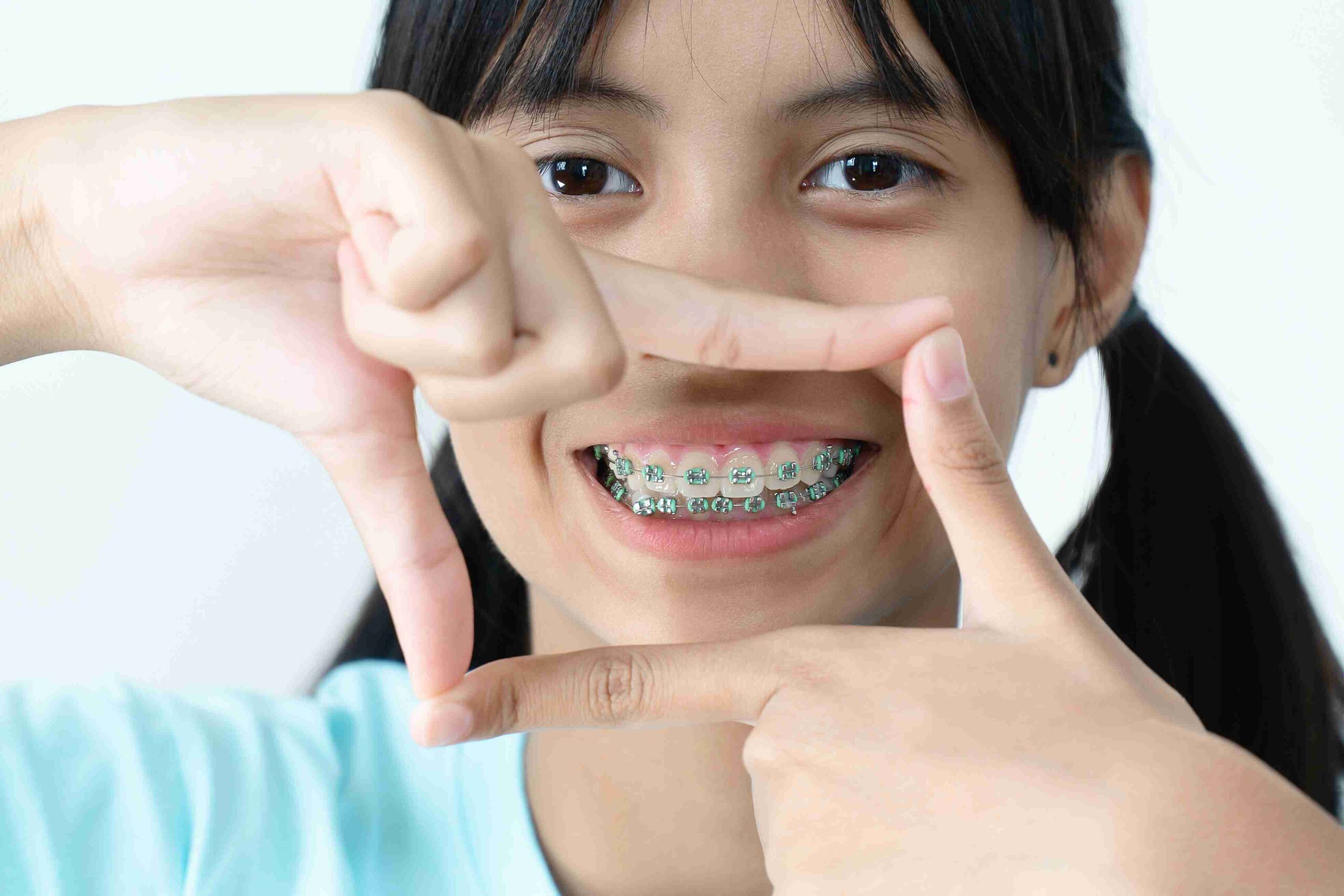
Metal braces are especially popular among teenagers, working adults, and anyone who loves a bit of colour, because you can choose the colour of your elastic bands. With metal braces, the dentist bonds metal brackets to the front surface of the teeth, then threads a wire through the brackets to move and align the teeth.
Contact Us for More Information
Who Should Get Braces?
The following problems shouldn’t be left untreated, as they can harm your long-term dental health and affect your confidence. The good news is they can all be corrected with orthodontic treatment at The Tooth Club.
- Protruding teeth
- Misaligned bite
- Gapped teeth
- Crooked or crowded teeth
- Tilted or leaning teeth
How to Prepare Before Getting Braces
Before starting treatment, you’ll need to see an orthodontist for an oral health check. Any cavities must be filled, tartar removed, and gum disease treated first. This is known as “clearing the mouth” before braces. Some patients may also need tooth extractions, for example when several teeth are crowded or there are impacted wisdom teeth, to create space and allow the teeth to move more easily.
Metal Braces: Pros and Cons
Pros
- Straightens crooked, crowded, and gapped teeth into a neat, attractive alignment
- Boosts confidence and improves your appearance, so you feel more comfortable speaking and meeting people
- Improves your bite and overall oral health
- Can help give the face a slimmer look
Cons
- Tightness after each band change and during stages when teeth are being moved into position
- Frequent dental visits are required
- Treatment takes 1–3 years, depending on each person’s dental condition
- A retainer must be worn after the braces are removed to keep teeth in place
- Harder to clean, which can lead to tooth decay and bad breath
How Much Do Metal Braces Cost?
Metal braces are more affordable than other types of orthodontic treatment, starting from around 35,000 THB. Most clinics today offer instalment plans for those who prefer not to pay in full upfront. We recommend always checking the details with your clinic to ensure a clear understanding.
Metal Braces vs. Clear Aligners: What's the Difference?
The main difference between metal braces and clear aligners is the appliance used.
Metal Braces
The appliance cannot be removed, so cleaning is more difficult and you need to be careful with what you eat. You may feel some discomfort as the brackets can rub against your cheeks or lips. Treatment takes around 1–3 years depending on your dental condition, and it costs less than clear aligners.
Clear Aligners
Made from removable plastic trays that don’t irritate the mouth, so you can eat normally. They look more discreet because they’re transparent. Treatment takes around 6 months to 2 years depending on each case, and they cost more than metal braces.
The Orthodontic Process
Aftercare: How to Look After Metal Braces and What to Eat
- Use a toothbrush designed specifically for braces
- Floss to keep your mouth thoroughly clean
- Avoid hard, sticky, or large foods, or anything you need to bite into
- Choose soft, easy-to-chew foods
- Attend every scheduled appointment so the dentist can check your teeth’s progress
- During the first 1–2 years, wear your retainer at all times except when eating and cleaning your teeth
- Visit the dentist for a check-up every 6 months
Frequently Asked Questions
At what age can you get braces?
The ideal age for braces is around 11–14, once all permanent teeth have come through. Starting young allows teeth to move faster, shortens treatment time, and effectively corrects crowding and crooked teeth.
Do I need to have teeth extracted for braces?
Not necessarily. Every person’s teeth differ in crowding, spacing, and protrusion. Whether extraction is needed depends on your specific dental problem and the dentist’s judgement after a full examination.
Do braces hurt?
Pain or soreness from braces usually occurs when they are first fitted or adjusted, and only lasts for the first few days. There’s no need to worry: The Tooth Club has over 15 years of treatment experience. Our team of dentists specialising in orthodontics will design a treatment plan that’s right for you, using modern technology and clean, safe equipment, so you can feel confident at every step. Best of all, our dentists have a very gentle touch.