
Dental Crown
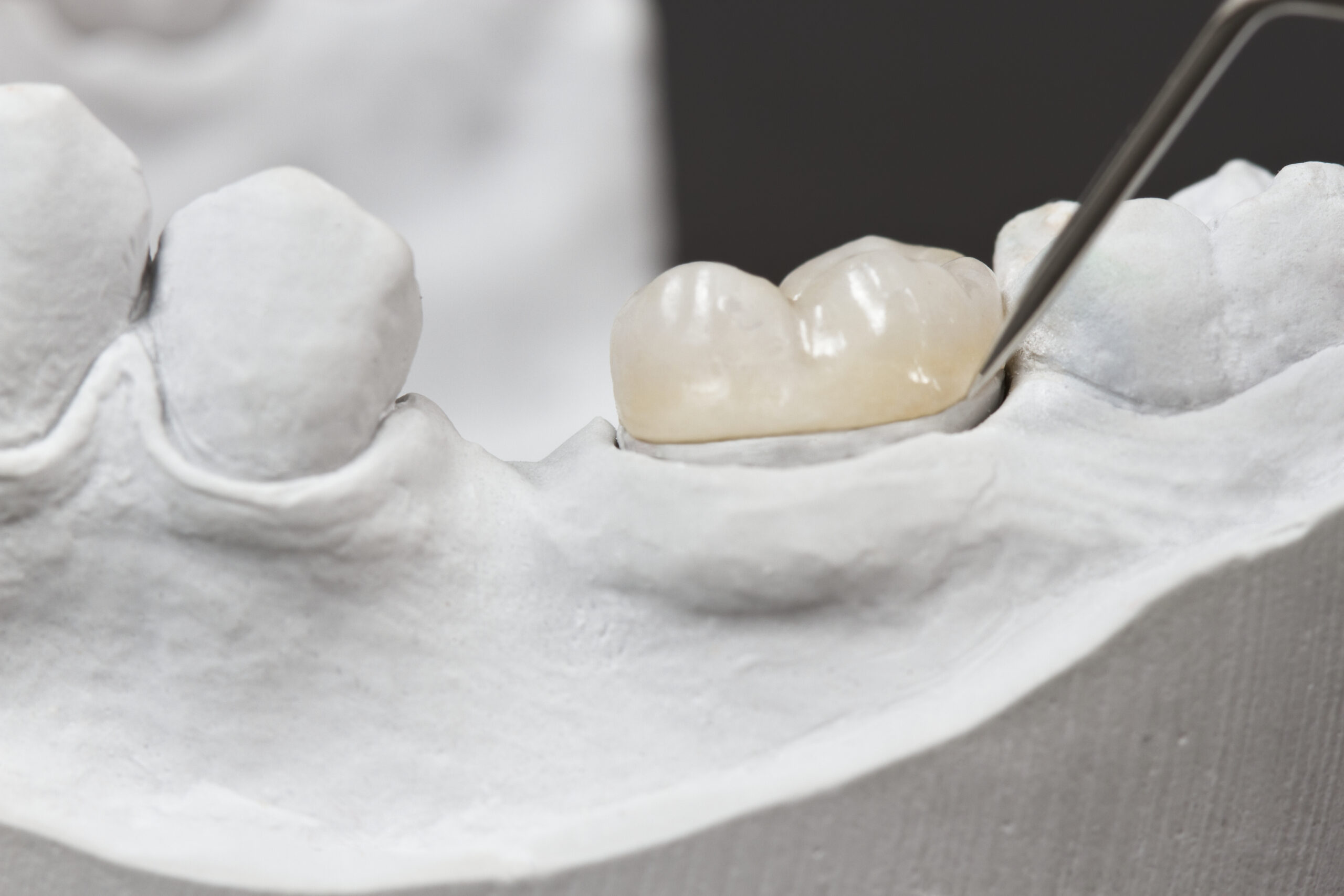
A dental crown is a specialized dental restoration used to completely cover a damaged or problematic tooth. Typically, it is recommended for teeth that are severely fractured, chipped, or cracked to the point where fillings are not an option, or for teeth that have undergone root canal treatment.
The primary purpose of a crown is to protect the remaining tooth structure from further damage and restore the tooth’s functionality. Additionally, dental crowns enhance the appearance of your smile by allowing you to customize the shape, color, and alignment of the crown to suit your natural teeth and facial structure.
With dental crowns, not only can you regain the functionality of a compromised tooth, but you can also achieve a confident and aesthetically pleasing smile.
Answering All Your Questions: What is a Dental Crown? Does it Hurt? Which Teeth Should Be Crowned?
Dental crowns are a restorative solution designed to repair and protect severely damaged teeth, allowing them to function as they did before. They also enhance the appearance of your teeth, ensuring they are aligned and aesthetically pleasing, boosting your confidence in your smile.
Caring for your dental health is not as daunting as it might seem—it’s closer and more accessible than you think. Understanding different dental treatments can help you better navigate the procedures recommended by your dentist. One common and effective dental treatment is the dental crown.
Today, let’s explore what dental crowns are, the process involved, and how to care for your teeth after getting a crown.
ผลงานการทำรากฟันเทียมจากผู้รับบริการจริง
ผลลัพธ์การรักษาขึ้นอยู่กับแต่ละบุคคล
Who is Suitable for a Dental Crown, and What Problems Can It Solve?
Dental crowns are a versatile solution that can address a wide range of dental issues, from minor to severe. Their primary goal is to preserve the natural tooth, avoiding extraction whenever possible. Individuals who may benefit from dental crowns include:
- Those with damaged teeth: Teeth that are cracked, chipped, or decayed can be restored to full functionality and resemble natural teeth.
- Dental implant recipients: Crowns are typically placed on top of dental implants to complete the restoration.
- Individuals with severely discolored teeth: A crown can cover teeth with noticeable discoloration, improving their appearance.
- Those with large cavities: Teeth with deep or large cavities that cannot be repaired with fillings may require crowns.
- People needing a dental bridge: Crowns are an integral part of dental bridges, anchoring the restoration securely.
Dental crowns are a practical and aesthetically pleasing solution for restoring and protecting compromised teeth, ensuring both functionality and confidence in your smile.
Message Us
Choosing the Right Material
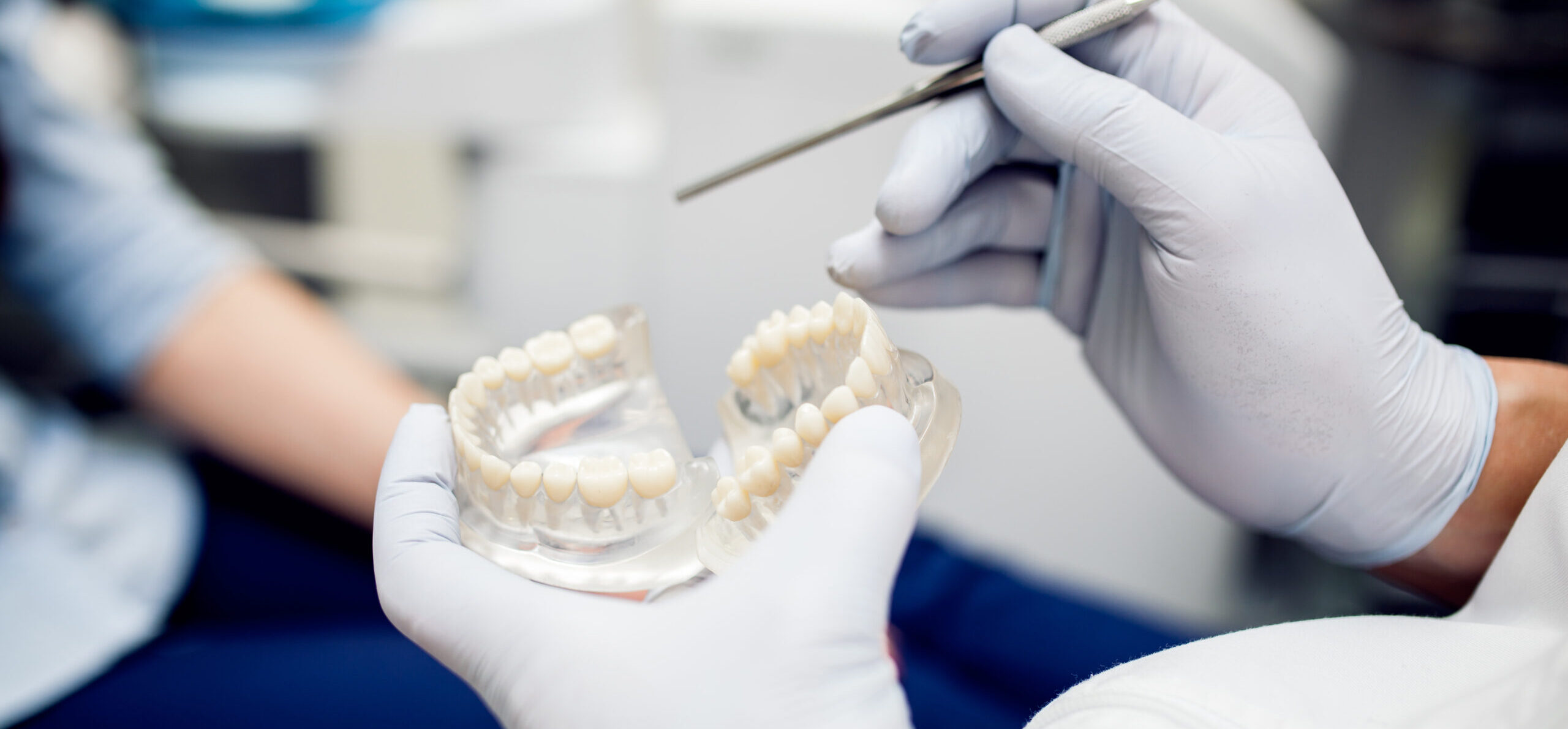
The selection of crown material depends on factors such as the tooth’s location, functionality, aesthetic requirements, and individual preferences. Consulting with your dentist ensures the best option tailored to your dental needs.
Types of Dental Crowns and Materials Used
Dental crowns come in five main types, each crafted from different materials to suit various needs and purposes. Here’s an overview:
1. Full Metal Crowns (FMC)
- Material: High-strength metal.
- Features: Extremely durable, ideal for molars due to excellent chewing support. Easy to maintain but lacks aesthetic appeal as the crown appears metallic and doesn’t blend with natural teeth.
2. All-Porcelain Crowns
- Material: Ceramic.
- Features:
- Natural tooth-like appearance, making it popular for front teeth.
- Suitable for individuals with metal allergies.
- Not as strong as metal crowns; frequent grinding or biting can cause fractures.
This category includes:
- Zirconia Crowns: Highly translucent, durable, resistant to chipping, ideal for all teeth.
- Glass Ceramic Crowns (e.g., Emax, Empress, LiSi, Suprinity): Beautiful, translucent like natural teeth, moderate strength, best for front and back teeth.
- Hybrid Ceramic Crowns (e.g., Enamic, Cerasment): A combination of ceramic and composite materials offering flexibility and moderate strength, suitable for individuals with limited tooth structure.
3. Porcelain-Fused-to-Metal Crowns (PFM)
- Material: Metal base coated with porcelain.
- Features: Combines the strength of metal with the aesthetics of porcelain. However, this type requires significant tooth reduction and may show a dark gumline over time, reducing its popularity.
4. All-Resin Crowns
- Material: Plastic-like resin.
- Features:
- Less durable and prone to breaking.
- Primarily used as a temporary crown during treatment or while waiting for a permanent crown.
5. Stainless Steel Crowns (SSC)
- Material: Stainless steel.
- Features: Prefabricated crowns mostly used for children’s primary teeth. These crowns fall off naturally as permanent teeth erupt.

Steps for Dental Crown Placement
The process of getting a dental crown involves multiple detailed steps to ensure optimal results. Here’s a breakdown:
Initial Consultation and Assessment
- Medical History: The dentist reviews your medical history, including allergies, chronic conditions, and medications or supplements you’re taking.
- Examination: The dentist examines the affected tooth, identifies the problem, and takes X-rays to assess the tooth root’s condition.
- Eligibility: Based on the findings, the dentist determines whether the tooth is suitable for a crown.
Customization
- The dentist discusses the shape, size, and color of the crown with you to ensure it matches your natural teeth and meets your preferences.
Tooth Preparation
- Anesthesia: Local anesthesia is administered to numb the area.
- Shaping the Tooth: The tooth is reshaped to make space for the crown.
- Impression: A mold of your teeth is taken to create the custom crown.
- Temporary Crown: A temporary crown is placed to protect the prepared tooth while the permanent crown is fabricated, which typically takes 5-7 days.
Permanent Crown Placement
- Second Visit: Once the permanent crown is ready, you return to the dentist. The temporary crown is removed.
- Fitting: The dentist places the permanent crown, checks the fit, and ensures proper alignment.
- Adjustments: Any necessary modifications are made to ensure comfort and functionality.
Final Evaluation
- The dentist ensures the crown fits seamlessly, the bite is correct, and there are no issues with alignment.
Follow-Up
- Regular check-ups are recommended to monitor the crown’s condition and assess its performance over time.
This meticulous process ensures that the crown restores the tooth’s functionality and enhances its appearance effectively.
How to Care for Your Teeth After a Dental Crown
Proper care after getting a dental crown helps maintain its durability and ensures the health of your teeth and gums. Follow these tips:
- Pain Management: If you experience pain after the anesthesia wears off, you can take over-the-counter pain relief medication as directed by your dentist.
- Soft Diet: Stick to soft foods for 1–2 days following the procedure to avoid putting excessive pressure on the newly crowned tooth.
- Avoid Hard and Sticky Foods: Avoid chewing ice, hard candies, or overly sticky foods, as these can damage the crown.
- Maintain Oral Hygiene: Brush your teeth as usual with fluoride toothpaste to keep your mouth clean.
- Flossing and Interdental Cleaning: Use dental floss and interdental brushes before brushing to remove food debris and prevent plaque buildup around the crown.
- Regular Dental Visits: Attend all follow-up appointments for the dentist to evaluate the crown’s condition and check for any complications.
- Address Discomfort Immediately: If you experience persistent pain, sensitivity, or gum discomfort when eating, consult your dentist as soon as possible.
By adhering to these guidelines, you can ensure your dental crown remains functional and aesthetically pleasing for years to come.
Dental Crowns vs. Veneers: Which Is Better?
The choice between dental crowns and veneers depends on your specific dental needs, as they serve different purposes:
Dental Crowns
- Purpose: Ideal for teeth with significant damage, such as cracks, chips, or severe decay.
- Procedure: Involves reshaping the entire tooth (grinding it down) to make room for the crown, which covers the entire tooth to restore its function and appearance.
- Durability: Crowns are designed to withstand heavy chewing forces, making them suitable for both front and back teeth.
Veneers
- Purpose: Best for cosmetic enhancements, such as fixing minor issues like chips, uneven tooth coloring, or gaps between teeth.
- Procedure: Veneers are thin layers of ceramic or composite material bonded to the front surface of the tooth. They don’t cover the entire tooth like crowns do.
- Aesthetic Focus: Primarily used to improve the appearance of the front teeth.
Which One Is Better?
- If your tooth is severely damaged and requires structural reinforcement, a crown is the better choice.
- If you’re looking for a cosmetic solution for minor imperfections, veneers are more suitable.
Consult with your dentist to determine which option aligns with your dental health and aesthetic goals.
คำถามพบบ่อย
Can dental crowns be claimed under social security insurance?
No, dental crowns cannot be claimed under social security as they fall under esthetic dentistry rather than medical treatments covered by social security policies.
How long do dental crowns last?
Typically, dental crowns last between 5-15 years, depending on your daily habits and oral hygiene. Frequent habits such as chewing on hard objects, ice, or grinding teeth can shorten the lifespan of the crown.
Can a tooth break again after crowning?
Yes, it is possible. Over time or with heavy use, crowns may become loose or break. If a crown falls off, a dentist will evaluate whether it can be reattached or if a new crown is necessary. For minor cracks, dentists can repair the crown, but significant damage may require a replacement.
Can dental crowns be completed in one day?
Yes, advanced technology now allows for the design and creation of dental crowns in a single visit. These crowns are precise, durable, and aesthetically pleasing.
How can I prolong the life of my dental crown?
- Avoid biting or chewing hard or sticky foods.
- Be cautious when using floss to prevent damaging the edge of the crown near the gums.
- Maintain regular dental check-ups to monitor the crown’s condition and ensure proper oral hygiene.
Why does my gum appear black after having a crown for a long time?
A black gumline usually occurs with crowns containing metal. Over time, the metal can discolor the gum area. This can be resolved by replacing the crown with an all-ceramic crown, which is translucent and blends naturally with the surrounding teeth and gums.
What’s the difference between dental crowns and veneers?
- Veneers: Thin layers applied to the front of the tooth, primarily for cosmetic purposes, addressing minor issues like discoloration, gaps, or slight chips.
- Crowns: Encase the entire tooth and are suited for teeth with significant damage, such as severe decay, cracks, or structural weakness, where fillings are no longer viable.
How Much Do Dental Crowns Cost?
The cost of dental crowns varies based on the material used and the complexity of the procedure.
- Starting Price: Typically around 10,000 THB per tooth (~$280 USD).
- Premium Materials: Crowns made from more durable or aesthetically superior materials (e.g., zirconia or all-porcelain) will cost more.
- Additional Factors: Location, dental clinic, and specific tooth issues can also affect pricing.
Discuss your budget and material preferences with your dentist to choose the best option for your needs.