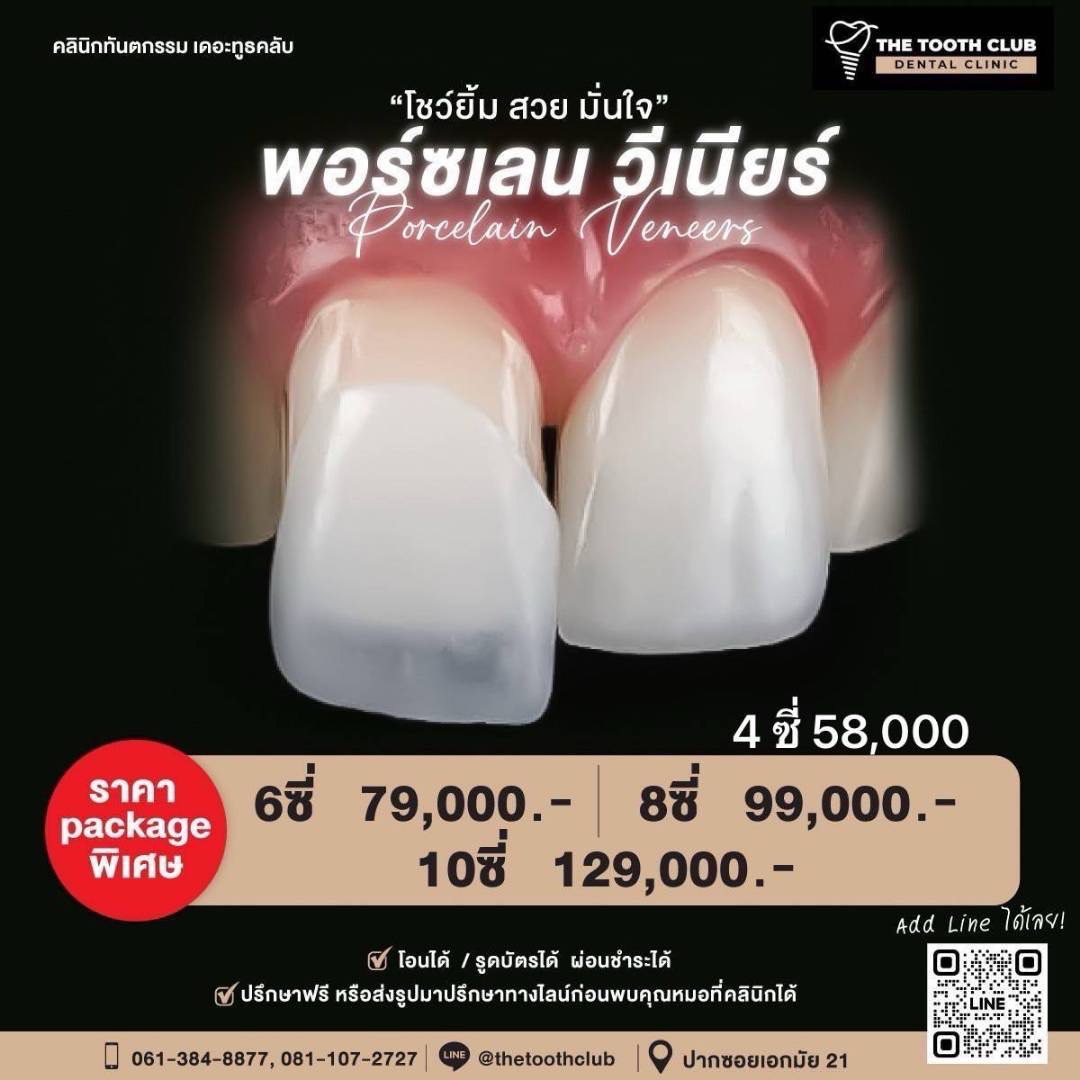
What are veneers? The option for a celebrity-like smile.
“Smiles” are often the first thing that leaves a lasting impression on others. However, if the person with the smile is not confident about their own, due to issues such as yellow teeth, chipped teeth, broken teeth, cracked teeth, or uneven teeth, one of the solutions to fix these problems is getting “veneers” (Dental Veneers). Today, The Tooth Club would like to help everyone understand how veneers can restore the beauty of your teeth and why celebrities and influencers prefer getting veneers.
ผลงานการทำรากฟันเทียมจากผู้รับบริการจริง
ผลลัพธ์การรักษาขึ้นอยู่กับแต่ละบุคคล
โดยทันแพทย์มากประสบกาณ์
ใช้วัสดุคุณภาพ
เดินทางสะดวก คลินิกตั้งอยู่เอกมัย 21
What is a veneer?
A veneer is a procedure used to fix the shape, size, and color of problematic teeth, such as yellow teeth, uneven teeth, broken teeth, chipped teeth, teeth with gaps, or other dental issues that affect the aesthetics, alignment, or function of the teeth. Veneers are made from composite (Composite) or ceramic (Ceramic) materials, designed to resemble the natural shape, size, and color of teeth. They are applied to the front surface of the teeth, fitting snugly to create a beautiful result that matches the patient’s mouth shape and facial structure. Veneers also help prevent further damage to the enamel and reduce potential future dental damage.
The lifespan of veneers depends on the material used. Composite veneers typically last about 10-15 years, while ceramic veneers last about 5-7 years. Patients should carefully follow the dentist’s recommendations for maintaining their veneers to prolong their lifespan and keep their beautiful smile for a long time.
Message Us
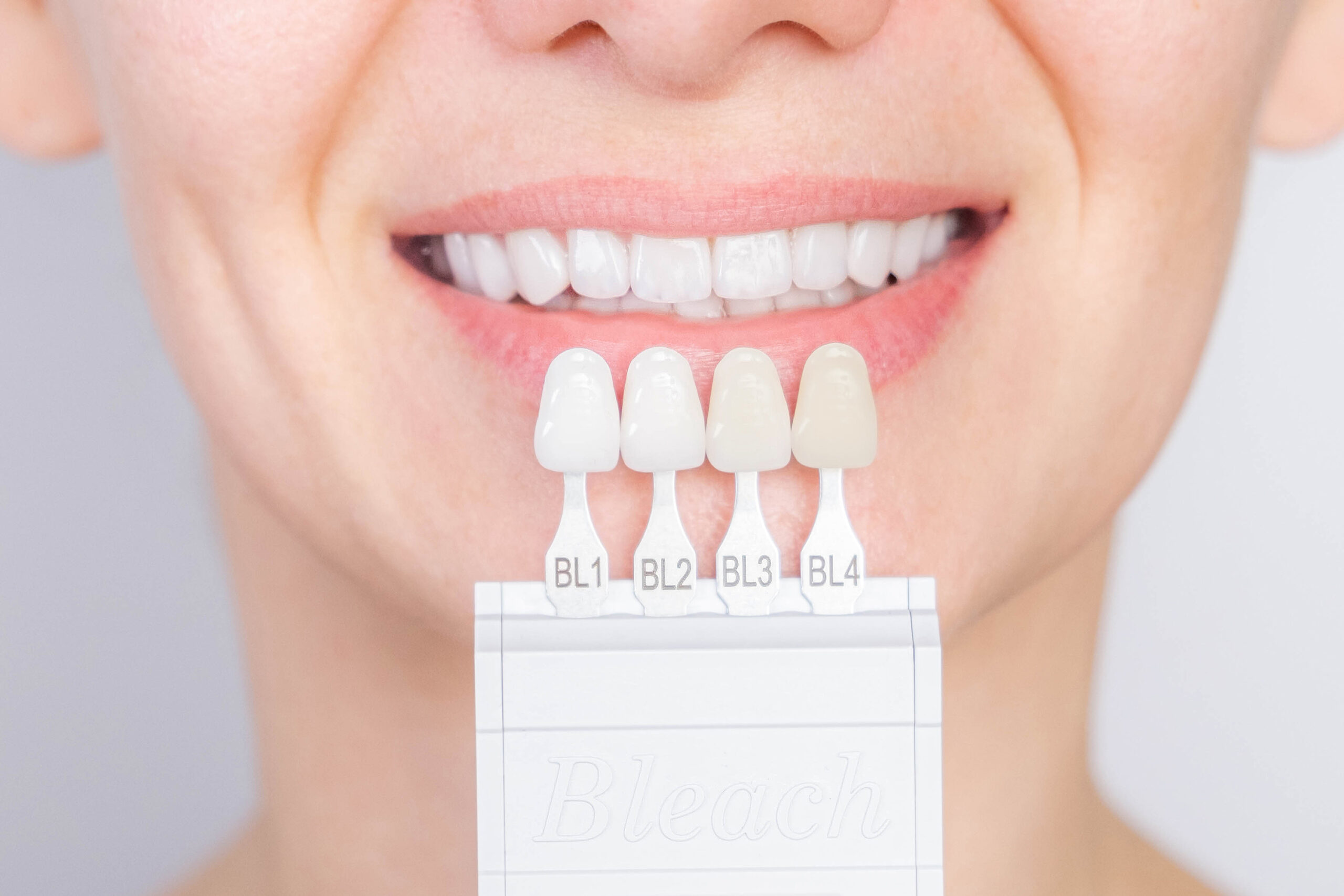
6 Problems that Veneers Can Fix:
- Color Issues: For individuals with problems related to the color of their teeth, such as yellowing, darkening, uneven coloring, spots, or teeth that are discolored after previous dental treatments, veneers can fix this by attaching a material to the front of the teeth to make the color uniform.
- Shape Issues: People with teeth that are too small, short, crooked, damaged, cracked, uneven, disproportionate in size, or have an odd shape can benefit from veneers. Veneers allow for the reshaping or resizing of teeth to meet the desired aesthetic.
- Gaps Between Teeth: Individuals with gaps between their teeth, which can cause insecurity or difficulty eating (such as not being able to chew properly or food getting stuck in the gaps), can address this issue with veneers. Leaving these gaps untreated can lead to other dental health problems, such as cavities or bad breath.
- Chipped or Cracked Teeth: For those who have chipped or cracked teeth due to accidents, veneers can repair the damage. It’s important to fix this problem early to avoid further issues such as tooth sensitivity, enamel loss, or nerve damage that could lead to tooth death.
- Speech Impairments Due to Dental Issues: If dental abnormalities prevent clear pronunciation of certain sounds or make speech unclear, veneers can be used to adjust the shape and size of the teeth, helping with clearer pronunciation and boosting confidence when speaking.
- Misaligned or Crooked Teeth: Veneers can also help with slight misalignments or crooked teeth, offering an aesthetic solution to straighten teeth and improve overall appearance without the need for braces.
How many types of veneers are there, and what are they?
There are two main types of veneers: Composite Veneers and Porcelain Veneers. These two types differ in terms of materials, lifespan, pros and cons, costs, and other details as follows:
Composite Veneer
- Material: Made from composite resin, a high-quality ceramic-like material that closely resembles natural teeth, but lacks shine and translucency.
- Lifespan: Around 5-10 years.
- Cost: Around 5,000 Baht per tooth.
- Treatment Time: Can be completed in a single visit.
Advantages:
- More affordable than porcelain veneers.
- Looks natural.
- Repairable if damaged.
- Can be completed in one day.
Disadvantages:
- Shorter lifespan than porcelain veneers.
- Lacks shine and translucency.
- Can easily stain from food.
- More prone to breakage compared to porcelain material.
- Weaker than porcelain veneers.
- Less natural appearance and can absorb colors and odors, which might cause bad breath over time.
Porcelain Veneer
- Material: Made from high-strength ceramic, which is durable, stain-resistant, and can be color-matched with natural teeth.
- Lifespan: Approximately 10-15 years, or even a lifetime with proper care.
- Cost: Around 12,000-18,000 Baht per tooth.
- Treatment Time: Takes about 1-2 weeks for production in a specialized dental lab.
Advantages:
- Longer lifespan than composite veneers.
- Closely mimics the appearance of natural teeth.
- Strong and durable.
- Produced in a skilled dental lab.
- Resistant to food stains.
- Offers a wide range of shades for selecting the perfect white for the teeth.
Disadvantages:
- More expensive than composite veneers.
- Cannot be repaired; if damaged, a new veneer must be made.
- Takes longer to create, about 1-2 weeks.
How to Prepare Before Getting Veneers?
Before undergoing a veneer procedure, it is important to gather detailed information about the process to make an informed decision. Here are the key steps to prepare before getting veneers:
- Study the Basics of Veneers: Learn about the different types of veneers, the problems they address, and who they are suitable for.
- Consult with a Dentist: Discuss any concerns about your teeth and clarify your goals for the veneer procedure.
- Choose a Qualified Clinic: Select a dental clinic with a dentist who specializes in veneers and has relevant experience.
- Research Costs: Find out the cost of veneers, including the steps involved and any hidden expenses.
- Address Oral Health Issues: If you have issues like tooth decay, gum disease, or other oral health problems, ensure they are treated before proceeding with veneers.
Steps to Getting Veneers
Post-Veneer Care Instructions
- For Teeth Grinding: If you grind your teeth at night, the dentist will recommend wearing a guard to prevent damaging the veneers.
- Proper Brushing: Brush your teeth thoroughly and correctly, paying special attention to the gumline.
- Use Dental Floss: Floss at least 1-2 times a day to maintain oral hygiene and prevent plaque buildup.
- Avoid Hard or Sticky Foods: Refrain from biting, chewing, or eating hard or sticky foods that could damage or break the veneers.
- Avoid Dark Beverages: Limit consumption of coffee, tea, or dark-colored drinks. If necessary, clean your mouth and teeth immediately after drinking to reduce staining.
- Regular Dental Check-ups: Visit your dentist regularly every 6 months for maintenance and monitoring.
- Seek Immediate Care for Issues: If the veneers crack, chip, become loose, or change color, contact your dentist as soon as possible for repairs.
FAQs
How many veneers should be done for the best result?
Answer: Veneers can be done on more than one tooth, depending on each individual’s needs. It’s important to consult with a dentist to plan the treatment and discuss desired results, so the smile design is customized and suits the patient’s appearance.
Disadvantages of getting veneers at an unqualified clinic
Answer: Veneer procedures should be performed by a skilled and experienced dentist, as it involves addressing dental issues and designing a beautiful smile. If done at an unqualified clinic, it could lead to poor dental health, an unattractive smile, and may cause serious long-term complications.
What to do if a veneer cracks?
Answer: Since veneers are made from relatively thin materials, they can crack, chip, or break easily. If you notice any damage, it’s important to see a dentist as soon as possible. Minor damage can often be repaired to restore the veneer’s appearance, but if the damage is severe, the dentist may recommend replacing the veneer.